






Frequently asked questions about chemical pumps
How are materials selected for a specific reagent?
According to chemical resistance tables, taking three parameters into account at the same time: the substance, its concentration and the temperature. A material that is resistant to an acid in a cold state may be destroyed when heated. That is why for the selection we need all three values, and not just the name of the reagent.
When is a pump with a magnetic coupling needed?
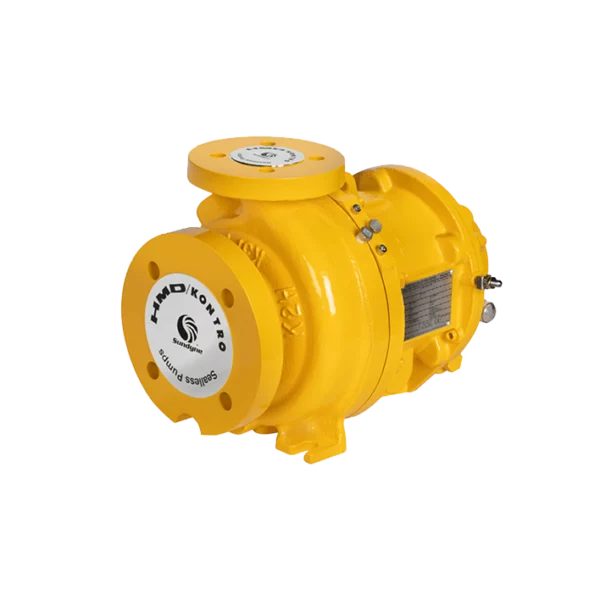
When leakage is unacceptable: toxic, volatile, carcinogenic or expensive media. Such pumps have no shaft seal — the torque is transmitted through a hermetic containment shell, and the wetted section is completely isolated. This is the most reliable solution against leaks.
Which typical media do you cover?
Sulphuric, hydrochloric, nitric, phosphoric and acetic acids, alkalis, sodium hypochlorite, hydrogen peroxide, solvents, salt-containing solutions, electroplating electrolytes, wastewater from chemical production. The designs range from polypropylene and PVDF to stainless and high-alloy steels.
What about explosion safety?
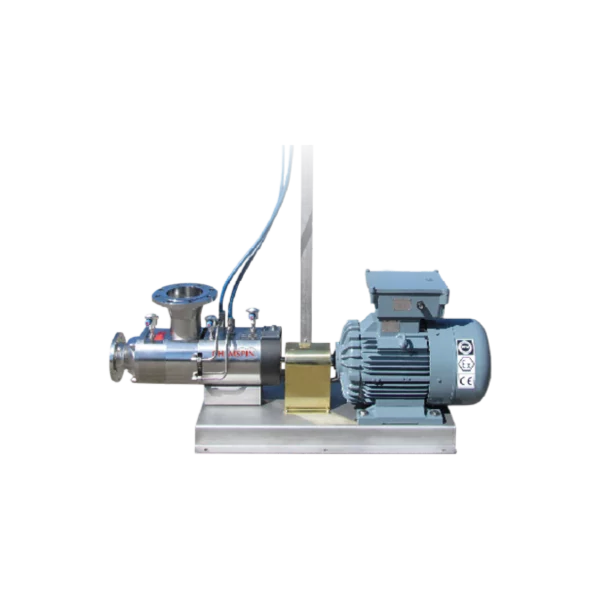
For zones with explosive mixtures, pumps are supplied in the appropriate design: certified motors, conductive materials of the wetted section, earthing, and for individual tasks — a pneumatic drive instead of an electric one.
What should be sent in order to get a selection?
The name and concentration of the substance, the working temperature, the presence of solid inclusions, the required flow rate and head, the leak-tightness requirements and the installation zone. This is enough to propose a specific design with a list of the materials of the contact surfaces.