
Filling lines
-
 Exclusive partner
 -
 Exclusive partner
 -
 Exclusive partner
 -
 Exclusive partner
Equipment
Showing 1–12 of 33 results
-
Exclusive partner
-
Exclusive partner
-
Exclusive partner
-
Exclusive partner

Frequently asked questions about filling lines
What containers can be filled on Steiner lines?
PET containers, glass, tin cans, as well as filling into cups. For each type of container the appropriate type of filling is selected — gravity, isobaric, weight-metering or volumetric — depending on the product and the requirements for dosing accuracy.
Which products can be filled?
Still and carbonated water, juices and nectars, dairy products, sauces, oil, alcoholic beverages, pharmaceutical and cosmetic liquids. Each group has its own requirements for asepsis, temperature regimes and the materials of the contact surfaces.
What does a filling line include apart from the filler itself?
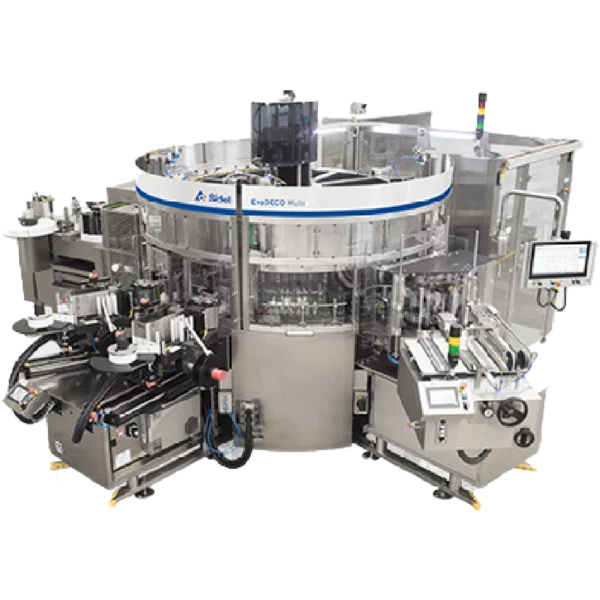
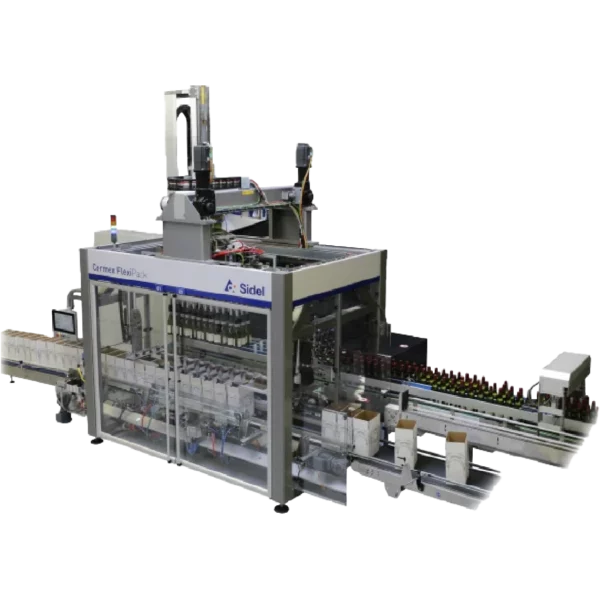
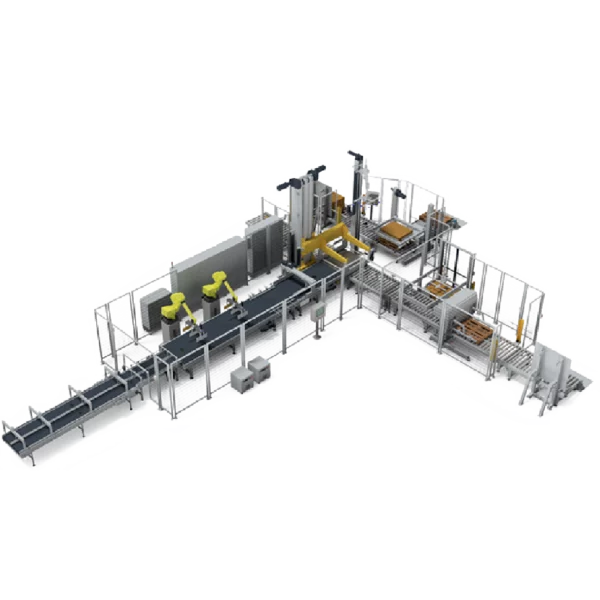
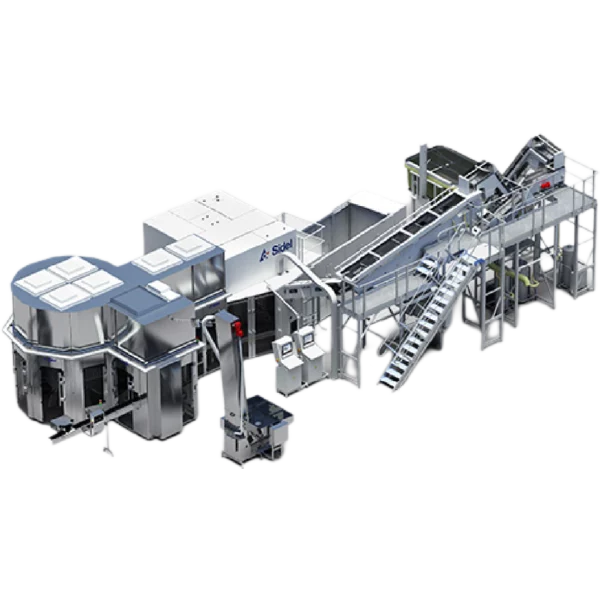
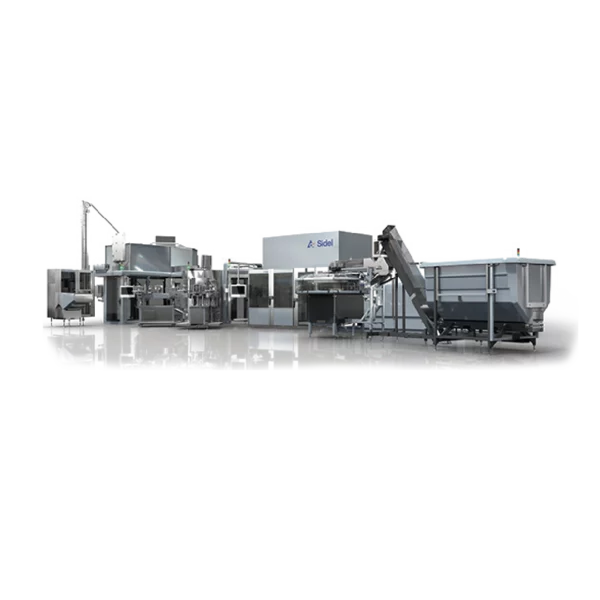
A typical line includes depalletising and container feeding, a rinser, a filler, a capper, a labelling machine, inspection and control systems, conveying systems, a packaging unit and palletising. The composition of the line is formed to suit the customer’s capacity requirements and budget.
How is quality control ensured on the line?
Inspection systems check the fill level, the presence and position of the cap, the integrity of the container, and the correctness of the label and the date. Rejects are automatically removed from the flow, and the control data can be transferred to the production accounting system.
Is it possible to increase the capacity of an existing filling line?
Yes. We carry out an audit of the line, determine the bottleneck — which is not always the filler — and propose modernisation: replacement of a particular unit, the addition of buffer accumulators or an upgrade of the control system.