

Dosing
-
 Exclusive partner


Equipment
Showing all 9 results
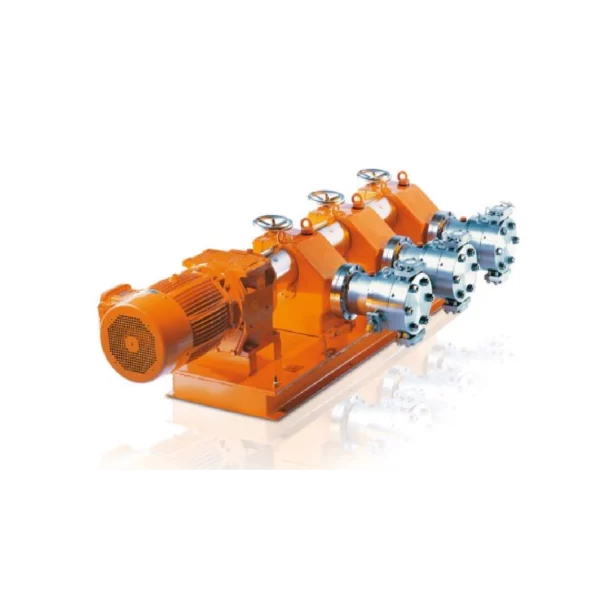
Frequently asked questions about dosing pumps
What dosing accuracy does the pump provide?
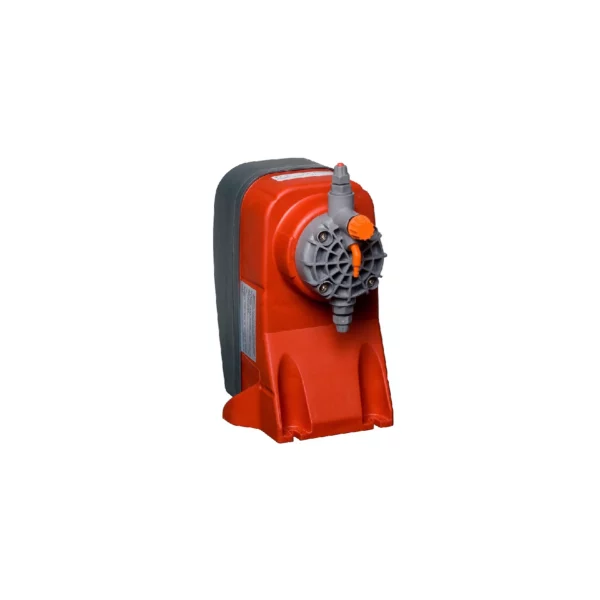
Industrial dosing pumps operate with an error within a few per cent of the set flow, and when calibrated for a specific reagent — more accurately. The actual accuracy depends on the stability of the back pressure, the presence of a gas phase in the reagent and correct stroke adjustment.
Diaphragm or plunger doser — which to choose?
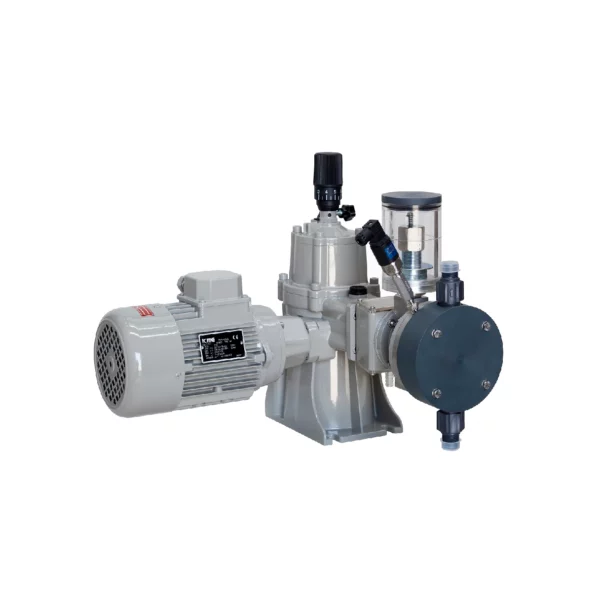
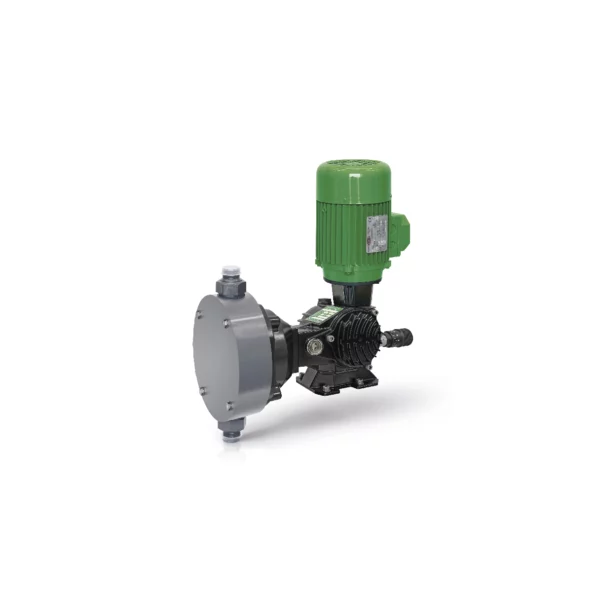
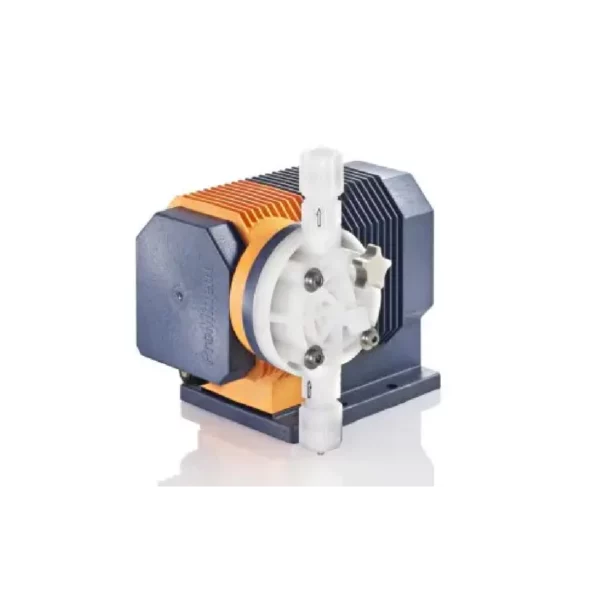
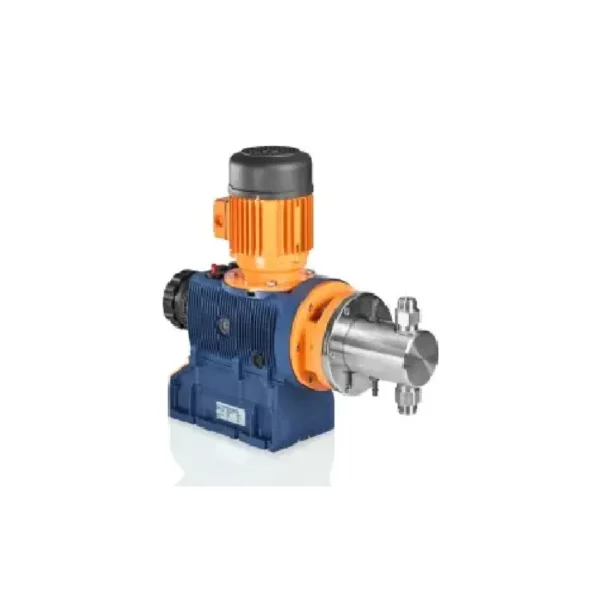
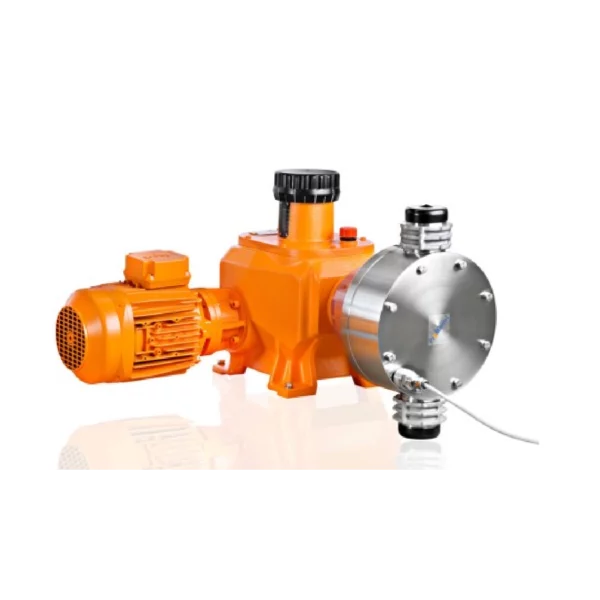
The diaphragm type is leak-tight, has no contact between the reagent and the drive and is safer for aggressive and toxic substances — this is the main choice for water treatment and chemicals. The plunger type gives higher pressure and better accuracy at low flows, but requires seals that are in contact with the medium.
How are materials selected to suit the reagent?
By chemical resistance to the specific substance and its concentration: PVDF, PP, PTFE, stainless steel for the head, EPDM, FKM or PTFE for the seals. For hypochlorite, acids, alkalis and peroxide the versions differ — there is no universal doser for all chemicals.
Can the doser be controlled from the automation system?
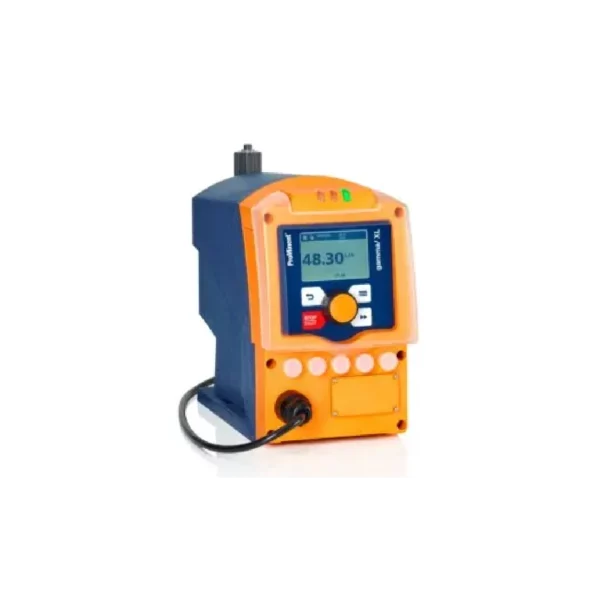
Yes. The standard options are a 4-20 mA analogue signal, a pulse input from a flow meter, control by a reading from a pH or redox sensor, and digital interfaces. This makes it possible to dose in proportion to the flow or to maintain a set parameter value.
What does servicing a dosing pump involve?
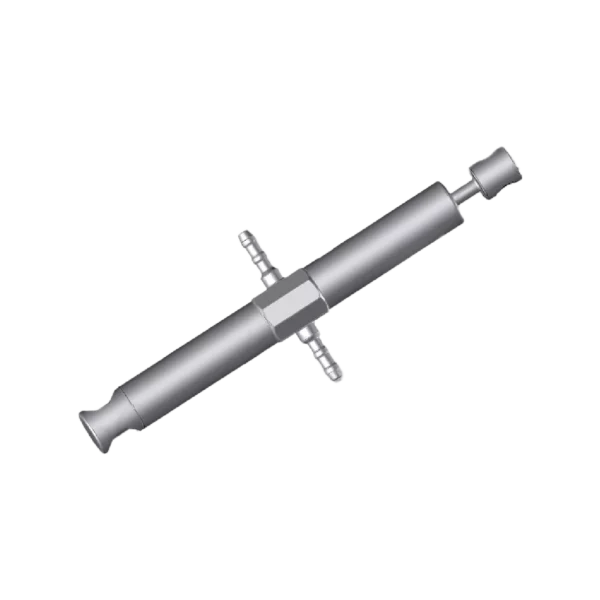
Periodic calibration using a measuring flask, checking and replacing the valves and the diaphragm, monitoring the condition of the suction line and the filter. We supply repair kits for specific models, as well as ancillary equipment: pulsation dampeners, back pressure valves, tanks with an agitator.