
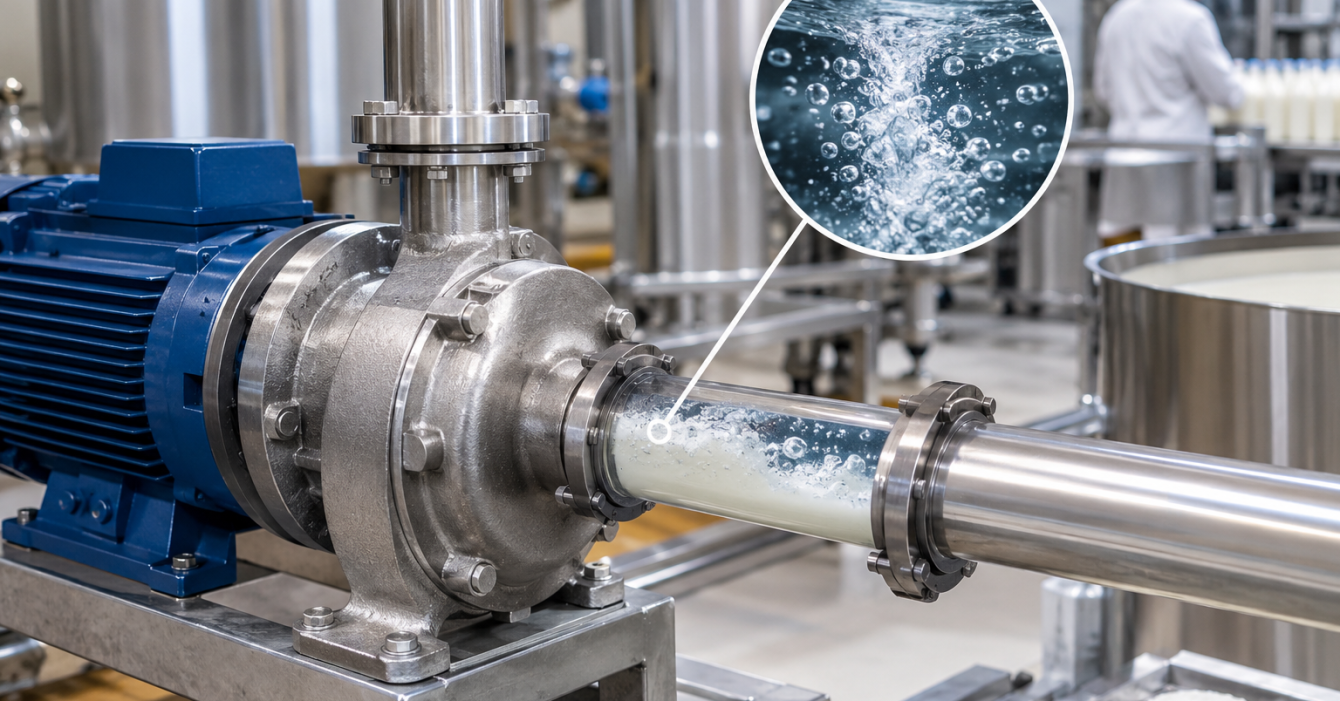
Насос, який «сипле гравієм», механіки часто вважають просто гучним. Насправді це один із найдорожчих звуків на виробництві. Так звучить кавітація: процес, який за кілька місяців здатен з’їсти робоче колесо з нержавіючої сталі, вивести з ладу торцеве ущільнення та зупинити лінію в…
Article

CIP cleaning of equipment: how to ensure hygiene without halting production
In the food and pharmaceutical industries, the cleanliness of equipment is not a matter of tidiness, but of product safety. Microbiological contamination resulting from inadequate cleaning of production lines can bring the entire operation to a standstill: from a spoiled batch of products to a product recall….
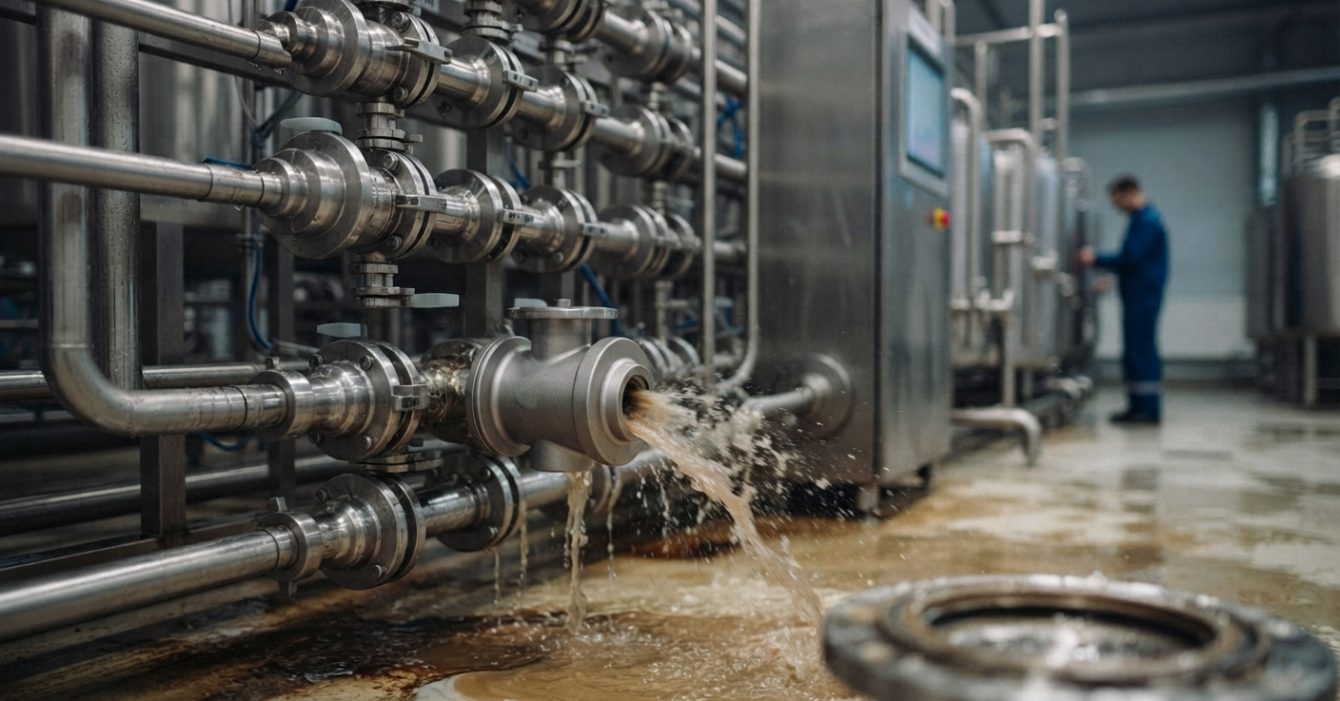
The valve that nobody thinks about until it fails
Imagine the situation. The production line has been running flawlessly for the second year running. The pumps are pumping the product, the heat exchangers are maintaining the temperature, and the dispensers are filling the containers to the nearest gram. And then, one morning, a batch of yoghurt is rejected — not because of the raw materials, not because of the staff, but because of just one single…
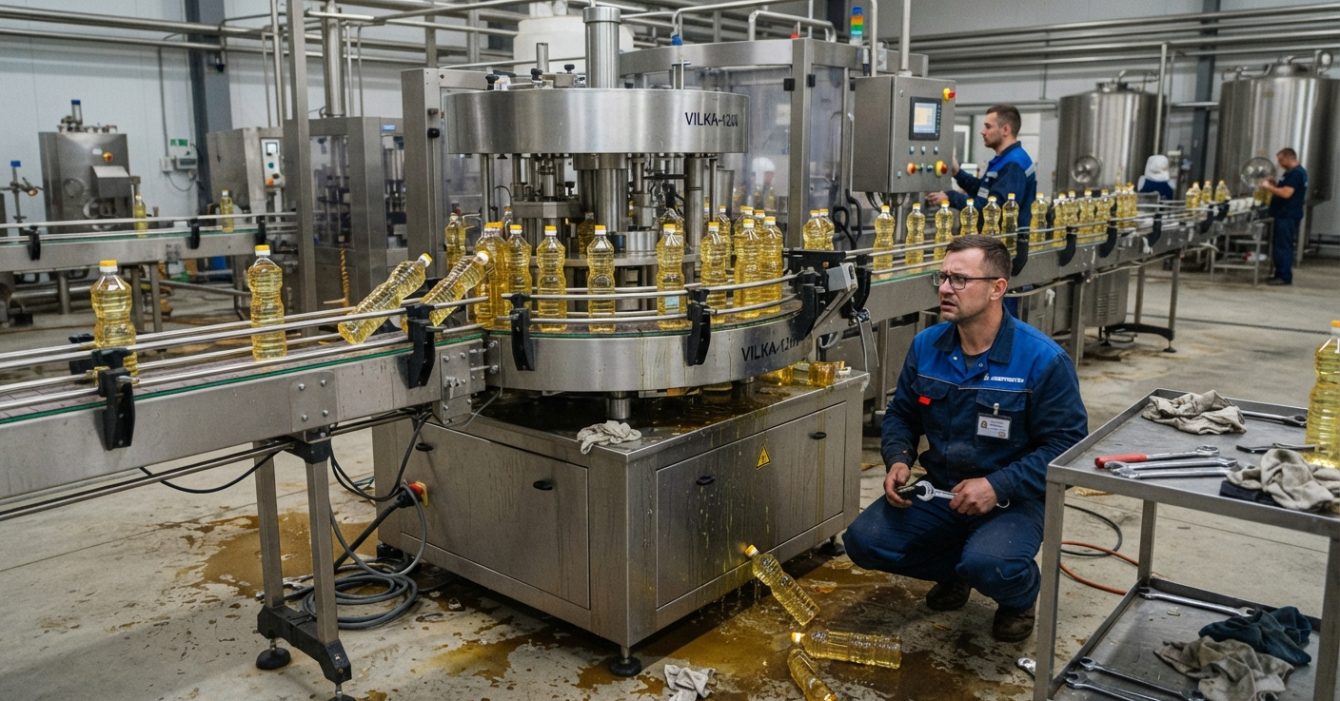
Filling lines: how to choose equipment suited to the viscosity of the product
Choosing a filling line is one of the most critical decisions when planning or modernising a food production facility. A mistake at this stage is costly: insufficient productivity, inconsistent dosing, frequent stoppages for maintenance, or even the inability to process a particular product at all. The key factor determining which equipment…
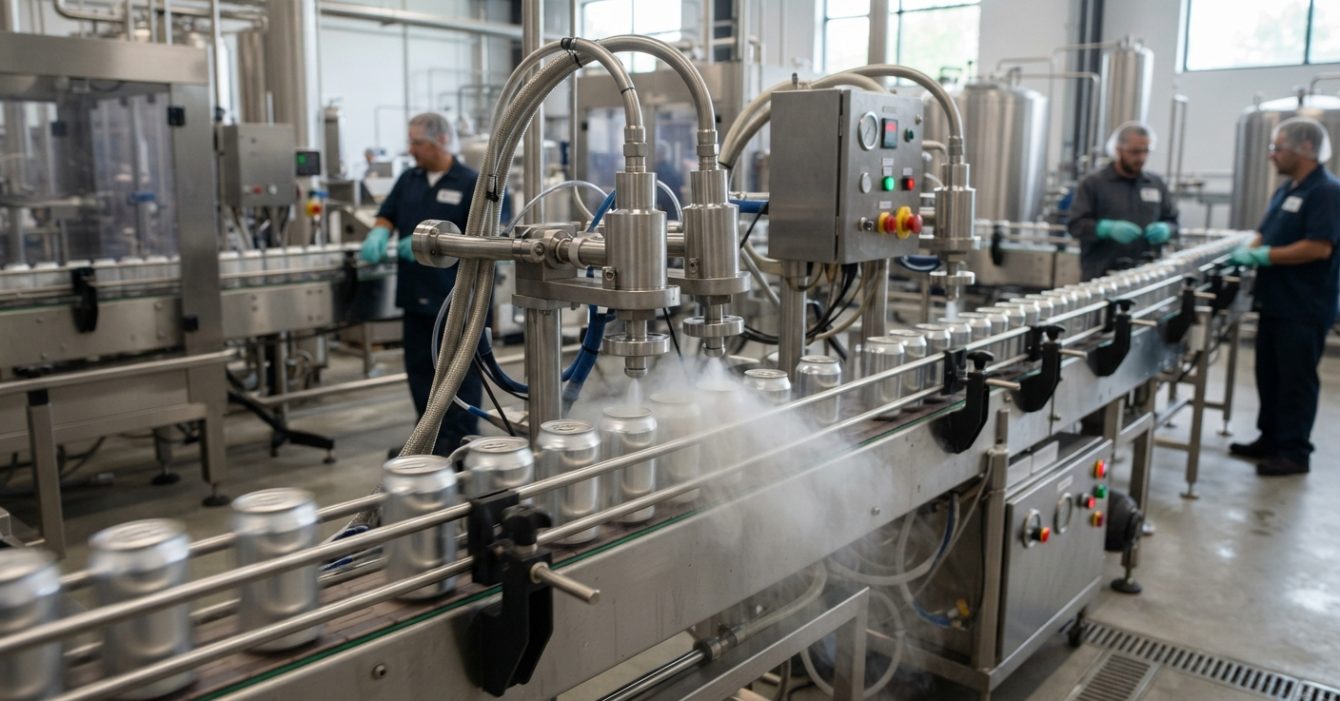
Liquid nitrogen dosers in beverage production: why they are needed and how not to make the wrong choice
At first glance the situation looks like an ordinary defect: a bottle of water or juice that has just come off the line suddenly “collapses” on the pallet a few hours later — the walls draw in, the shape deforms, and on the shelf such a product looks as if someone has already squeezed it…
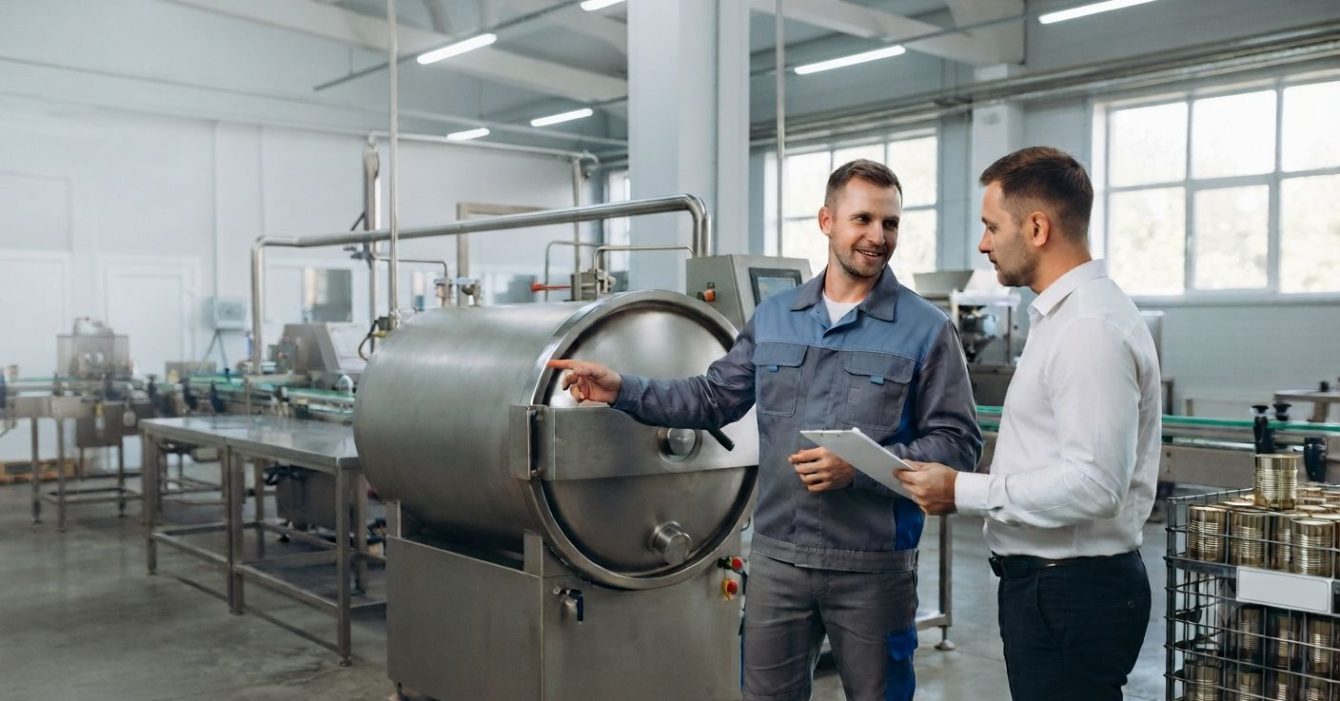
Industrial autoclaves for food production: how to choose
Heat treatment is one of the most critical stages in the production of canned foods: microbiological safety, shelf life and, ultimately, the manufacturer's reputation on the market all depend on it. A mistake at this stage is not always visible straight away — insufficient sterilisation may only show up after…

The ice cream market in 2026: trends, the export potential of Ukraine and production technologies
While the peak of the season is still under way, the most far-sighted producers are already designing the next one. In this overview Steiner has gathered the Ukrainian ice cream market of 2025–2026, examined the record export of Ukrainian ice cream, the key trends in flavours and textures on real producer cases — and shown which technologies stand behind…

The trend towards sustainability: switching to biodegradable and mono-material films. Challenges for equipment and how to solve them
The ecological transformation of the packaging industry is no longer merely a marketing requirement or a marker of «responsible business». Today it is a hard necessity dictated by European legislation (in particular the PPWR — Packaging and Packaging Waste Regulation directives) and by the global requirements of retailers. The main vectors of this transformation…
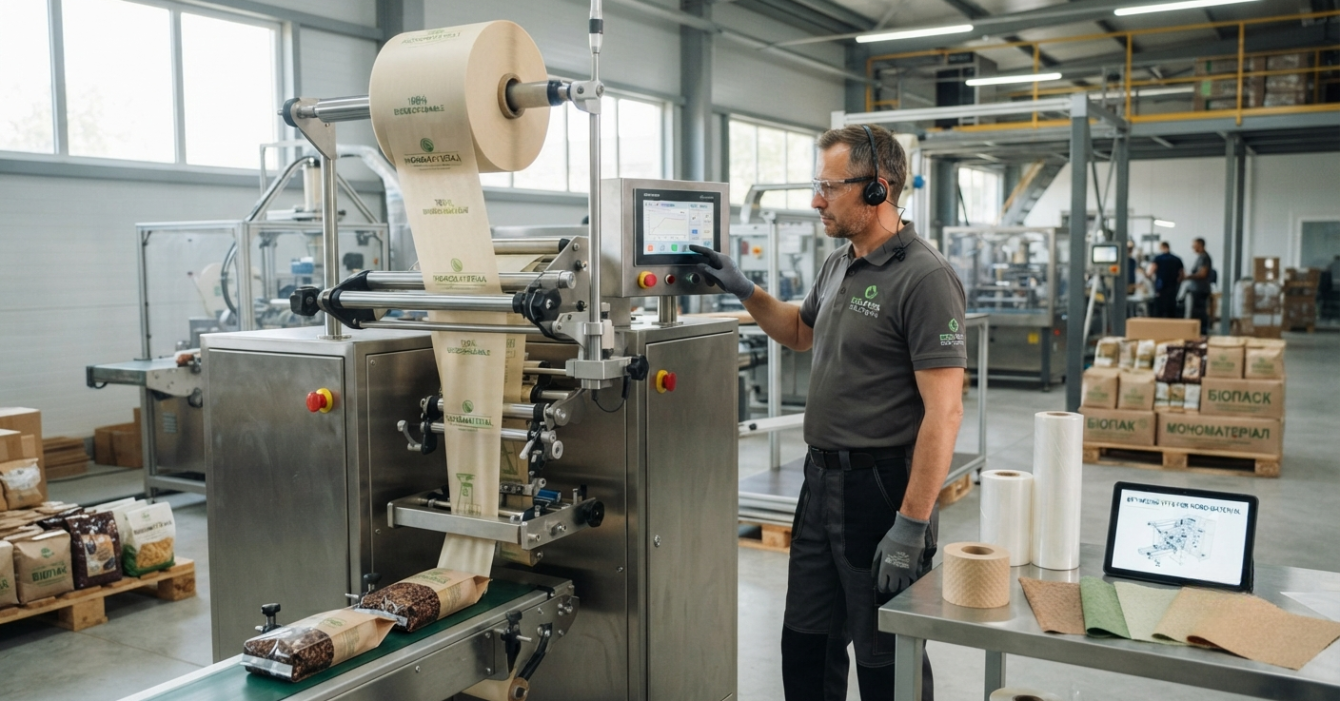
Servicing industrial equipment during the high season: how to prevent emergency line stoppages
For manufacturers in the food, pharmaceutical and cosmetics industries, the «high season» is a period of maximum profit and, at the same time, a zone of increased risk. When the lines are loaded to 100% and the raw material and finished goods warehouses work non-stop, any unplanned stoppage caused by a technical fault costs…

LCA (Life Cycle Assessment) of equipment: why a cheap pump becomes more expensive than a premium one after just 2 years of operation
When choosing new pumping equipment for an industrial enterprise, the finance department is often guided by basic logic: compare the figures in the commercial offers and choose the option with the minimum initial investment (CAPEX). However, this approach conceals a financial trap. In modern engineering practice, the assessment of equipment efficiency is based…


