
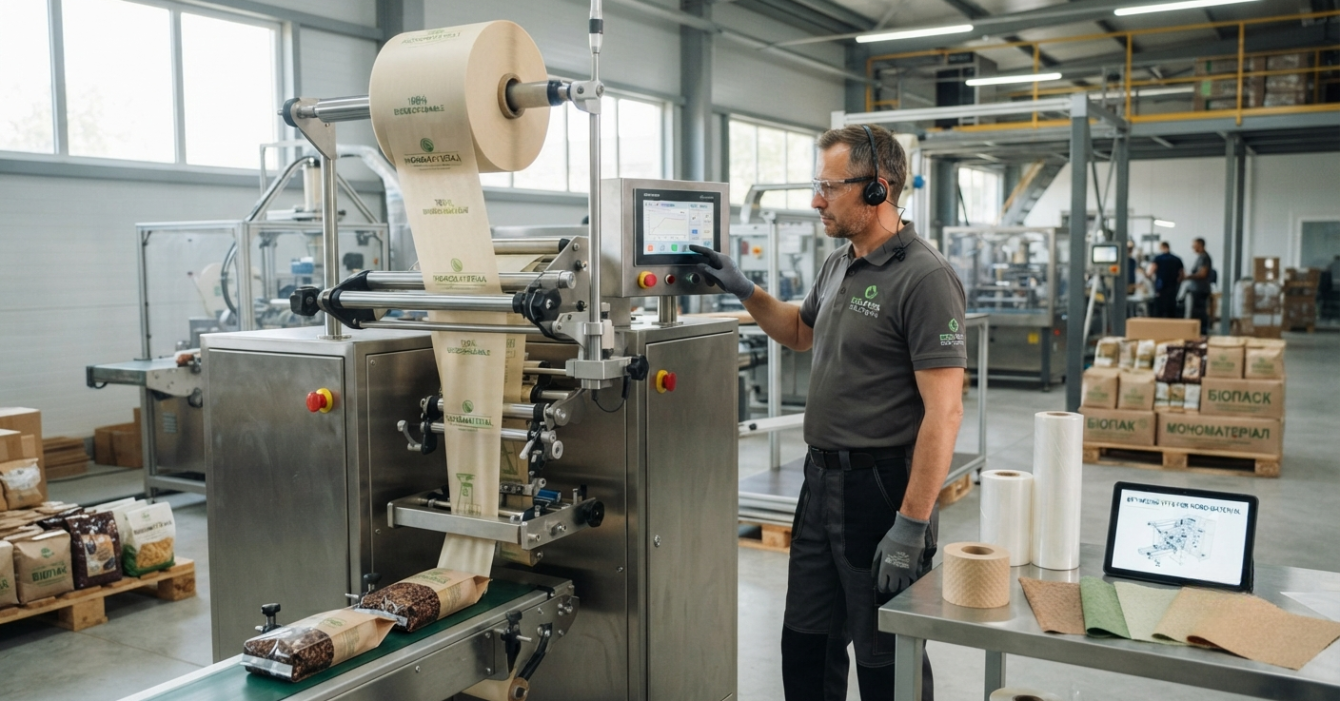
For manufacturers in the food, pharmaceutical and cosmetics industries, the «high season» is a period of maximum profit and, at the same time, a zone of increased risk. When the lines are loaded to 100% and the raw material and finished goods warehouses work non-stop, any unplanned stoppage caused by a technical fault costs a colossal amount of money. An hour of downtime of a modern packaging or process line means not only missed contract deadlines, but also direct losses through spoilage of raw materials.
How can the risks be minimised when the equipment is working at the limit of its capabilities and there is no time to stop the line for full servicing? Let us examine a strategy of preventive steps.
1. A change of paradigm: from “repair after the fact” to “predictive servicing”
Running equipment until complete failure during the high season is the most expensive strategy. In peak load periods three levels of control should be in operation:
- Per-shift inspection control (operator maintenance): Line operators must be trained to detect the first signs of unit degradation «by eye» and «by ear». An untypical bearing noise in a pump, a slight trembling of the packaging sleeve or micro-droplets of lubricant on the shut-off valves are grounds for immediate recording in the shift log.
- Express diagnostics without stopping the lines: The use of portable monitoring instruments.
- Thermography (thermal imagers): checking electrical cabinets, motors, gearboxes and film sealing units. Abnormal overheating clearly indicates excessive friction or electrical problems long before a breakdown.
- Vibration diagnostics: measuring the vibration level on critical pumps and homogenizers.
- Monitoring of CIP washing parameters: For food and pharmaceutical production, incorrect operation of the valves during washing can lead to the formation of deposits that will subsequently jam the system or impair heat exchange.
2. Forming a “critical basket” of spare parts (SPTA)
During the season, the waiting time for even a standard part from a European manufacturer can become critical. Check your stock in advance. All components should be divided into categories:
| Spare parts category | What must be kept in the enterprise stock during the season |
| Consumables (fast-wearing parts) | Silicone seals, PTFE tapes, pack cutting knives, heating elements of the sealing jaws, drive belts. |
| Critical units (affecting the stoppage of the whole line) | Frequency converters (inverters), servo motors, pneumatic cylinders, position sensors, critical valves. |
| Specific items | Control boards (with an up-to-date backup copy of the firmware on a separate medium). |
3. Critical points of packaging and process equipment
During peak loads different types of equipment have their own «weak points»:
Pumping equipment and fittings
- Challenge: Operation in 24/7 mode increases the risk of wear of the mechanical seals. Product getting into the dry zone of the pump will lead to burnout of the motor.
- Solution: Daily visual inspection of the drain holes of the pumps. Checking the pressure in the flushing circuits (if a double seal is installed).
Vertical and horizontal packaging machines
- Challenge: Carbon deposits on the sealing jaws, wear of the film pulling units, failures of the photo sensors caused by dust from the product.
- Solution: Introduction of a mandatory 15-minute cleaning routine during shift changeover. Cleaning the heating elements of film residues and carbon deposits with special bronze brushes (so as not to damage the profile of the jaws).
Inspection systems (metal detectors, X-ray units)
- Challenge: Because of line vibrations or a change of the temperature regime in the workshop, the sensitivity of the sensors may drift, which will lead either to defective products being missed or to false triggering and stoppages.
- Solution: Testing of the control systems using test samples (balls) strictly according to a schedule — for example, every 4 hours of operation.
4. The human factor: a memo for personnel
During the high season the load grows not only on the hardware, but also on the people. Operator fatigue is the cause of up to 40% of emergency stoppages due to incorrect actions.
- Strict checklists: Minimise the room for «improvisation». The settings of the equipment for each type of product/pack must be clearly specified in the process charts (pressure, temperature, speed).
- Fast communication with the service department: The contacts of the equipment supplier's service department must be in a visible place at the shift supervisor's station. If the local automation service cannot solve the problem within 15 minutes, remote support from the manufacturing plant or the official dealer should be brought in immediately.
Uninterrupted production operation in the high season is the result of preparation that begins long before it starts. If the season is already in full swing, the main task of the engineering department is to ensure total monitoring of thermal and vibration parameters, to keep a critical stock of seals and consumables to hand, and to observe strict discipline in cleaning and operating the lines.
The experts of «Steiner-Ukraine» are always ready to back up your production. We ensure prompt supply of original spare parts, carry out express audits of lines and provide technical support so that your production plans are fulfilled without a single failure. Do you need an urgent consultation or help selecting spare parts? Our engineers are in touch!


