

Cam




Equipment
Showing all 12 results
Frequently asked questions about rotary lobe pumps
Why is the rotary lobe pump considered the standard for food production?
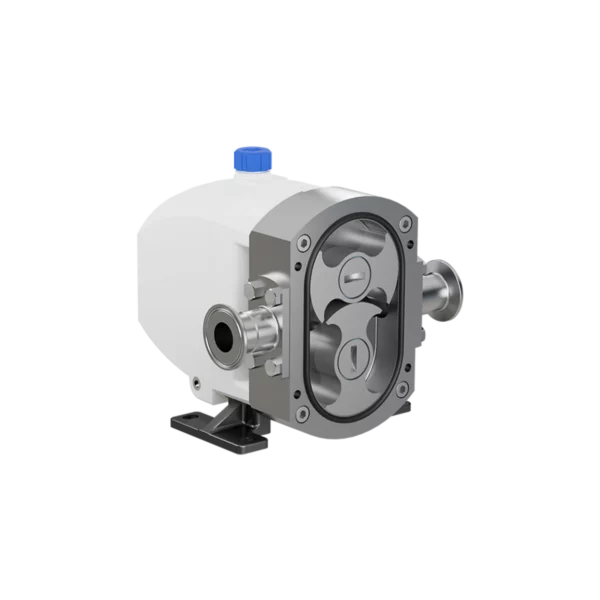
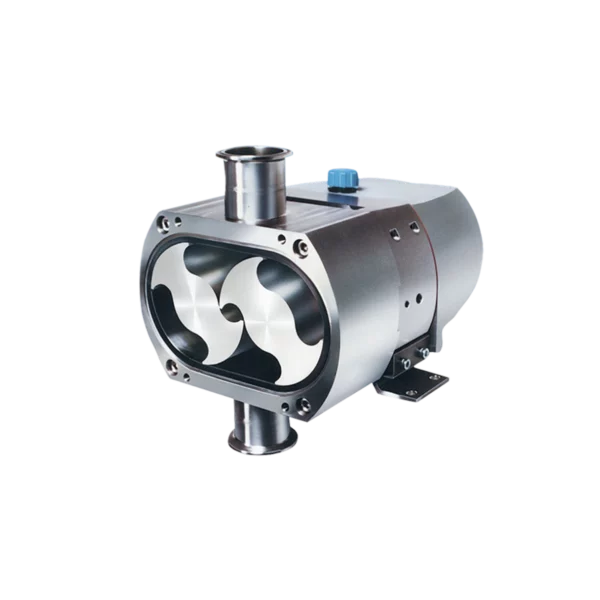
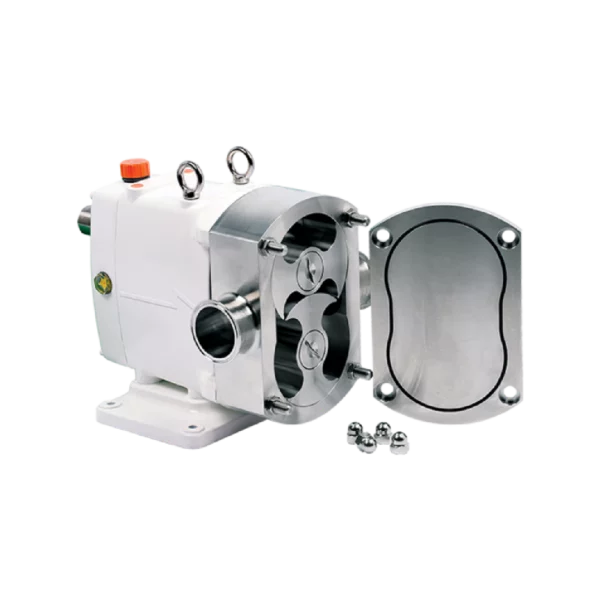
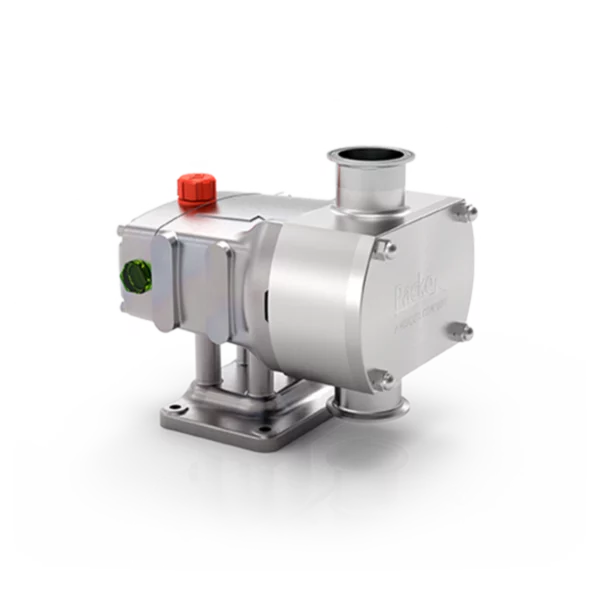
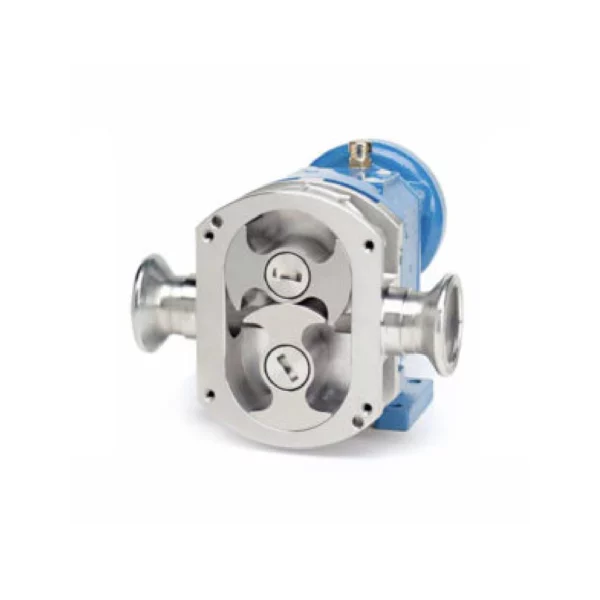
Because of the combination of hygiene and gentleness: two rotors rotate synchronously and do not touch each other, the wetted section has no dead zones, and the product is moved without being whipped. This is the basic pump for dairy, meat, confectionery and pharmaceutical lines.
Does it not destroy the pieces in the product?
No, with a correct selection of the speed. The pump transfers the product in closed volumes with low shear, so pieces of fruit, curd grains, vegetables in sauce and other inclusions retain their integrity. For especially sensitive products, reduced speeds and an appropriate size are chosen.
Does it withstand CIP and steam sterilisation?
Yes. Hygienic designs are intended for cleaning without disassembly, and with an appropriate selection of seals — for steam sterilisation as well. The pumps are produced in versions that meet the requirements of EHEDG and 3-A, with documentation on the materials of the contact surfaces.
Can the pump run in reverse and be self-priming?
Yes, the positive displacement principle allows the flow direction to be changed by changing the direction of rotation — this is convenient for emptying a section of the line. The pump has a limited self-priming capability provided that the working parts are wetted, so it is better to fill a dry line before start-up.
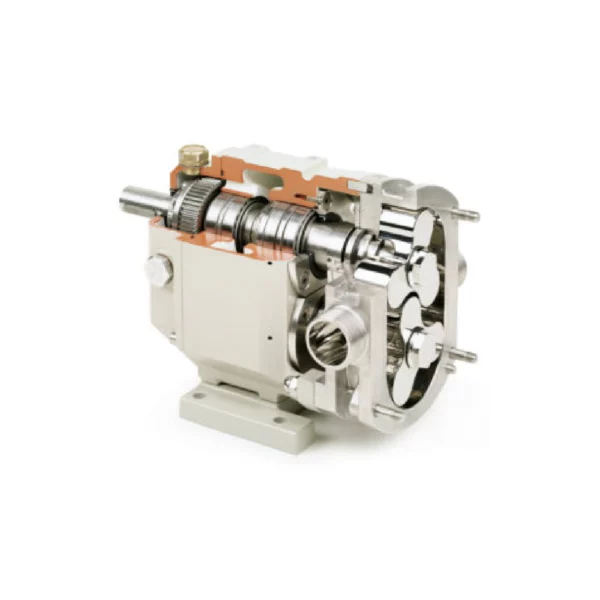
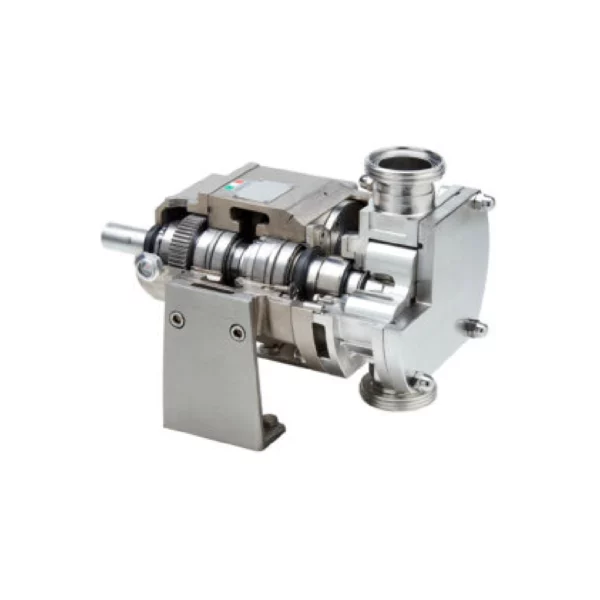
What wears out and how should it be maintained?
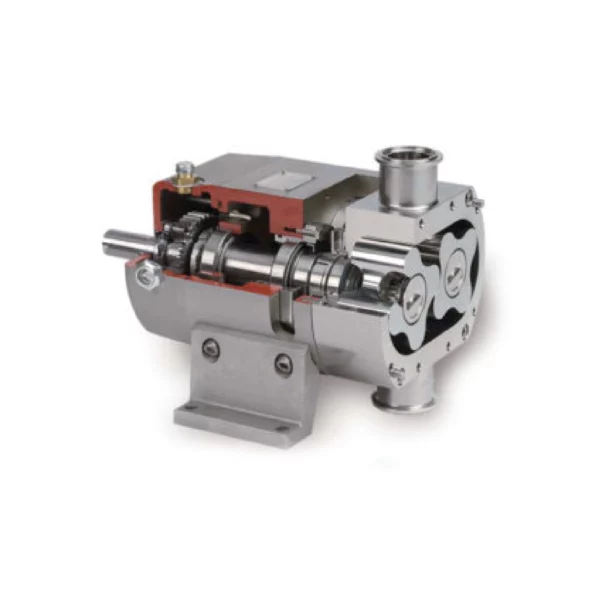
The key items are the shaft seals, the rotors and the clearances in the casing. The service life is determined by the abrasiveness of the product and by compliance with the operating modes. Maintenance is planned: checking the clearances, replacing the seals and the lubricant in the gearbox section. We supply repair kits for a specific model.