Equipment, pumps and plant maintenance — Steiner Ukraine blog
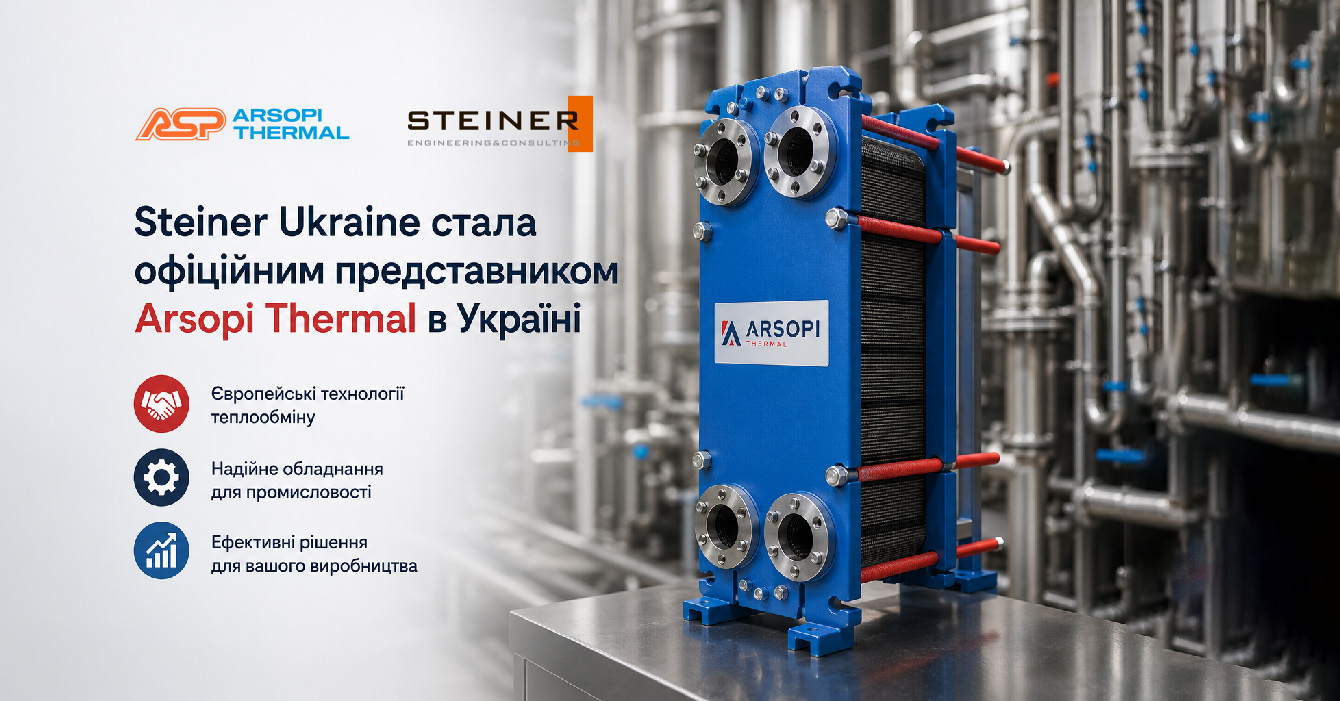
Steiner Ukraine has become the official representative of Arsopi Thermal in Ukraine
Steiner Ukraine is expanding its portfolio of process equipment for the food and industrial sectors. From now on our company is the official representative of Arsopi Thermal in Ukraine. Arsopi Thermal is a Portuguese manufacturer of plate heat exchangers and heat engineering solutions for enterprises in the food, chemical and industrial sectors. The company specialises in...

LCA (Life Cycle Assessment) of equipment: why a cheap pump becomes more expensive than a premium one after just 2 years of operation
When choosing new pumping equipment for an industrial enterprise, the finance department is often guided by basic logic: compare the figures in the commercial offers and choose the option with the minimum initial investment (CAPEX). However, this approach conceals a financial trap. In modern engineering practice, the assessment of equipment efficiency is based...

The Petfood trend: the specifics of dosing and packaging animal feed with complex textures
The pet food market is undergoing a large-scale transformation. Modern cat and dog owners increasingly treat their pets as family members, creating steady demand for premium, natural, and gourmet diets. Complex textures are replacing uniform pâtés: chunks...
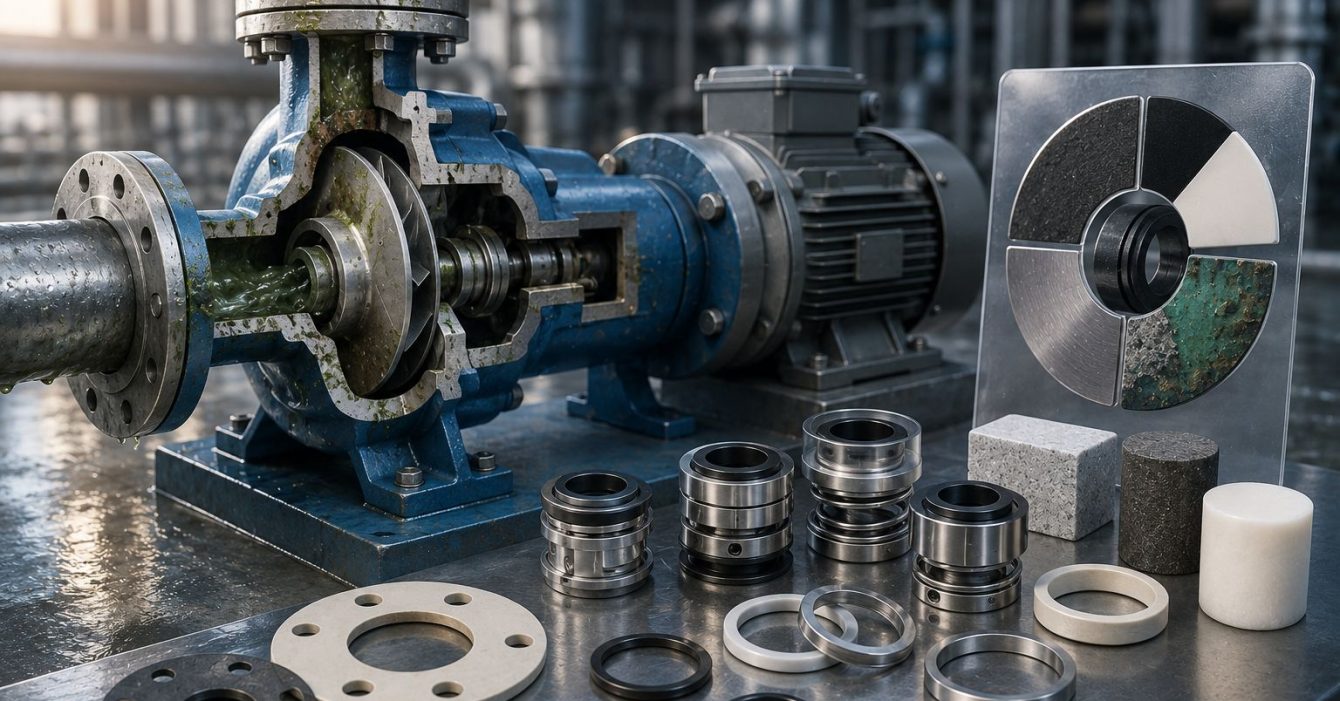
The choice of seals and materials for pumps in aggressive media: how to avoid hidden costs
In the chemical industry the safety and reliability of equipment are critical factors. When it comes to pumping aggressive reagents, a “standard” solution often becomes the cause of emergency shutdowns and costly repairs. The correct choice of materials is not simply a matter of technical compliance, but a strategy for turning environmental...
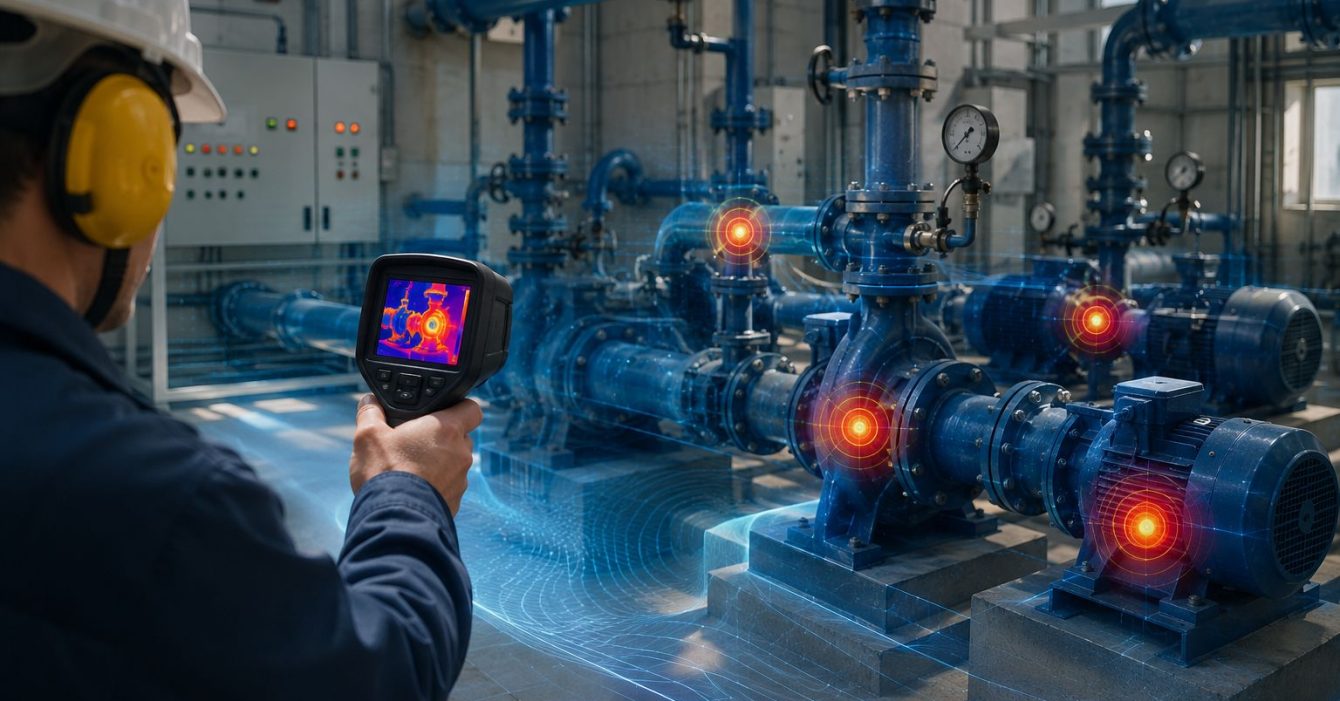
Energy audit of pumping stations: how to identify the “weak spots” where energy and money are lost
In 2026 the issue of energy efficiency for industrial enterprises became not merely a way of optimising costs, but a factor of competitiveness. This applies particularly to pumping stations, which in many industries are one of the largest consumers of electricity. In practice, a considerable proportion of enterprises overpay for electricity every day...
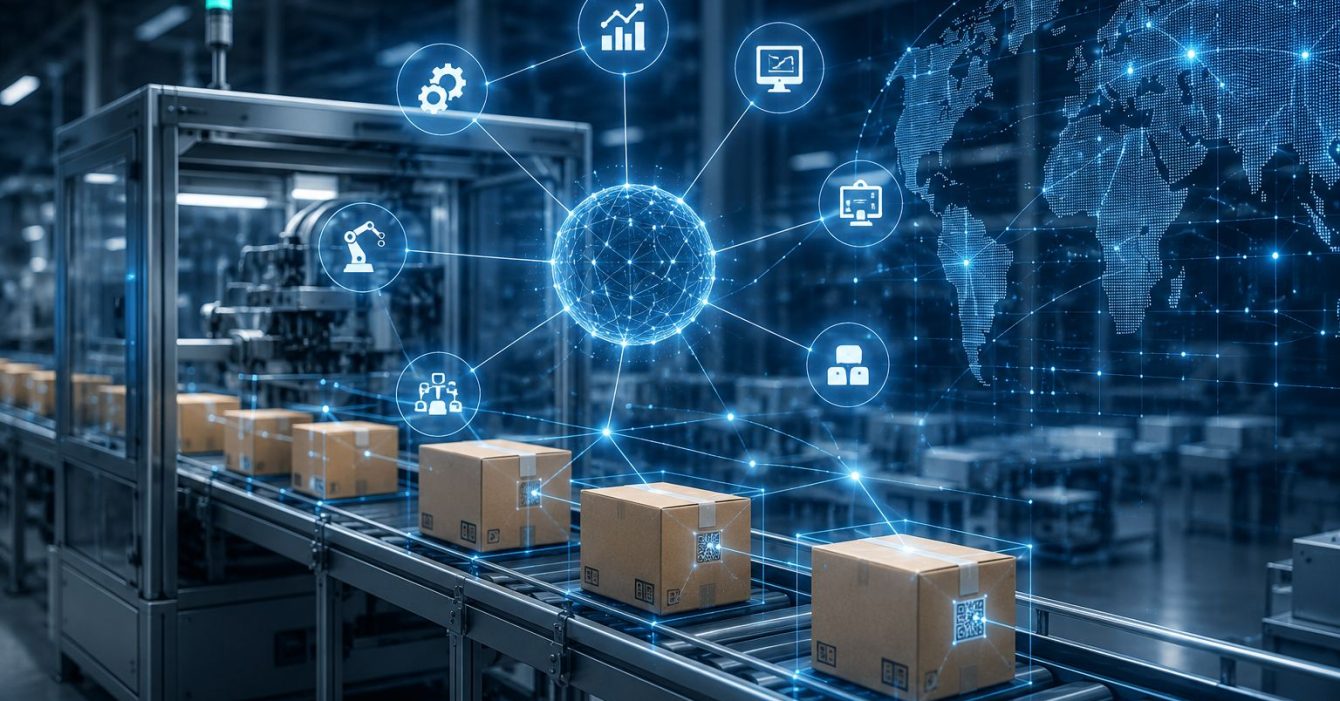
Integration of packaging lines into a general ERP system: tracking every unit of production in real time
Modern production long ago ceased to be a set of separate machines and isolated processes. In 2026 the efficiency of an enterprise is determined not only by packaging speed or conveyor capacity, but by the ability to receive data in real time and respond promptly to any deviations. That is exactly why...
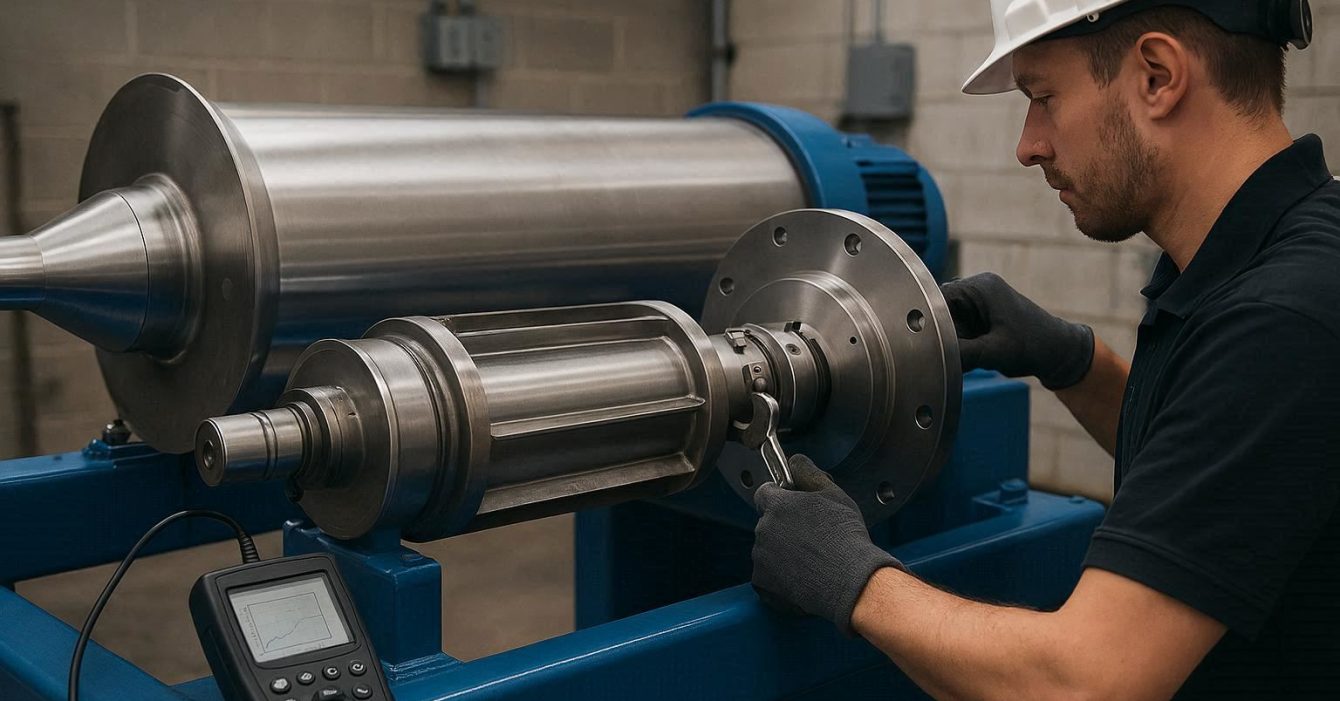
Decanter balancing: what it really means and why “just repairing it” is not enough
In the world of industrial equipment, centrifuges and decanters hold a special place. They are the “athletes” of production lines, running at speeds of 2,000 to 5,000 revolutions per minute. Under such conditions, any deviation of the rotor mass from the axis of rotation turns into a destructive force. Many enterprises...
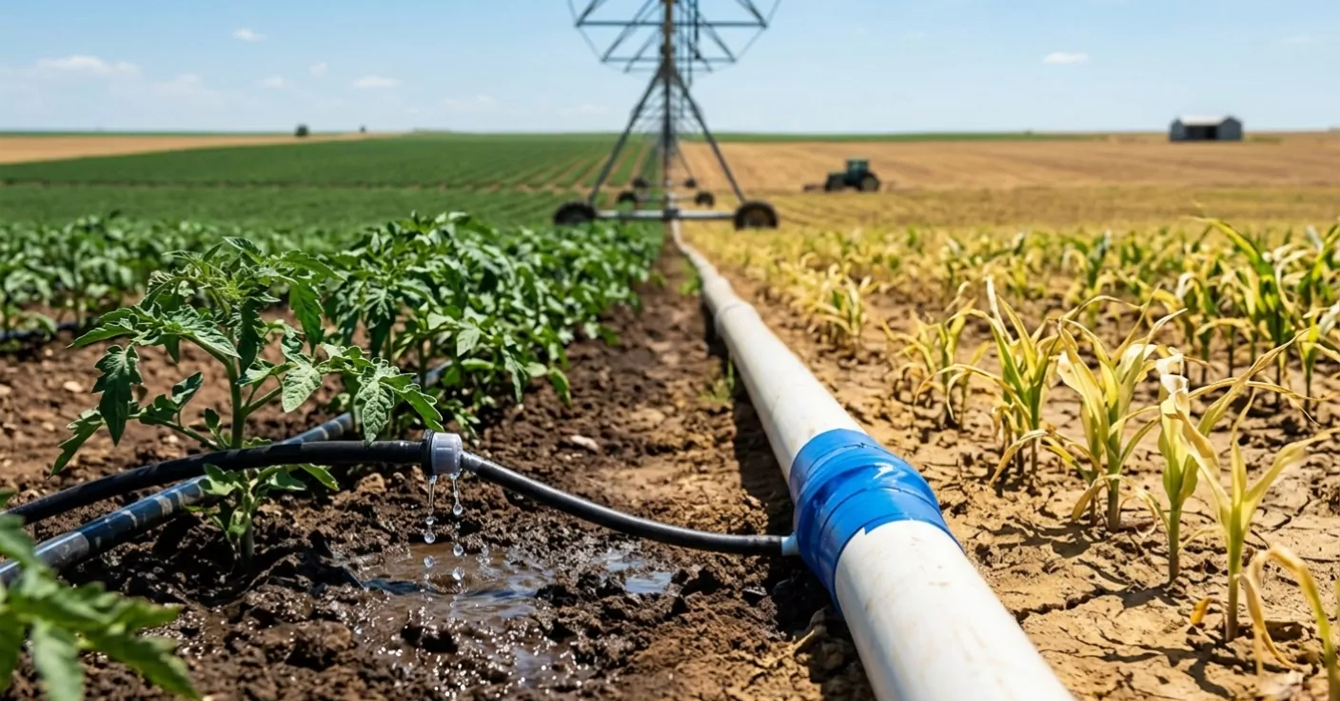
There is water, but there isn’t enough: how losses in the irrigation system are ‘eating away’ at your crop yield
In 2026 the issue of irrigation in Ukraine moved from the category of a “desirable extra” to a strategic necessity. However, a pumping station for irrigation on its own still does not guarantee a result. Having a water source and sprinkler machines in place does not yet mean effective watering. Most often the main...

Automation of Logistics in 2026: How Steiner Ukraine Solves the Labor Shortage Problem
Introduction Logistics automation in 2026 has become for Ukrainian business not merely an area of modernisation, but a practical answer to the shortage of personnel. In conditions where mobilisation processes and migration have reduced the number of available workers by 25%, the most vulnerable link has turned out to be warehouse logistics, where traditionally...
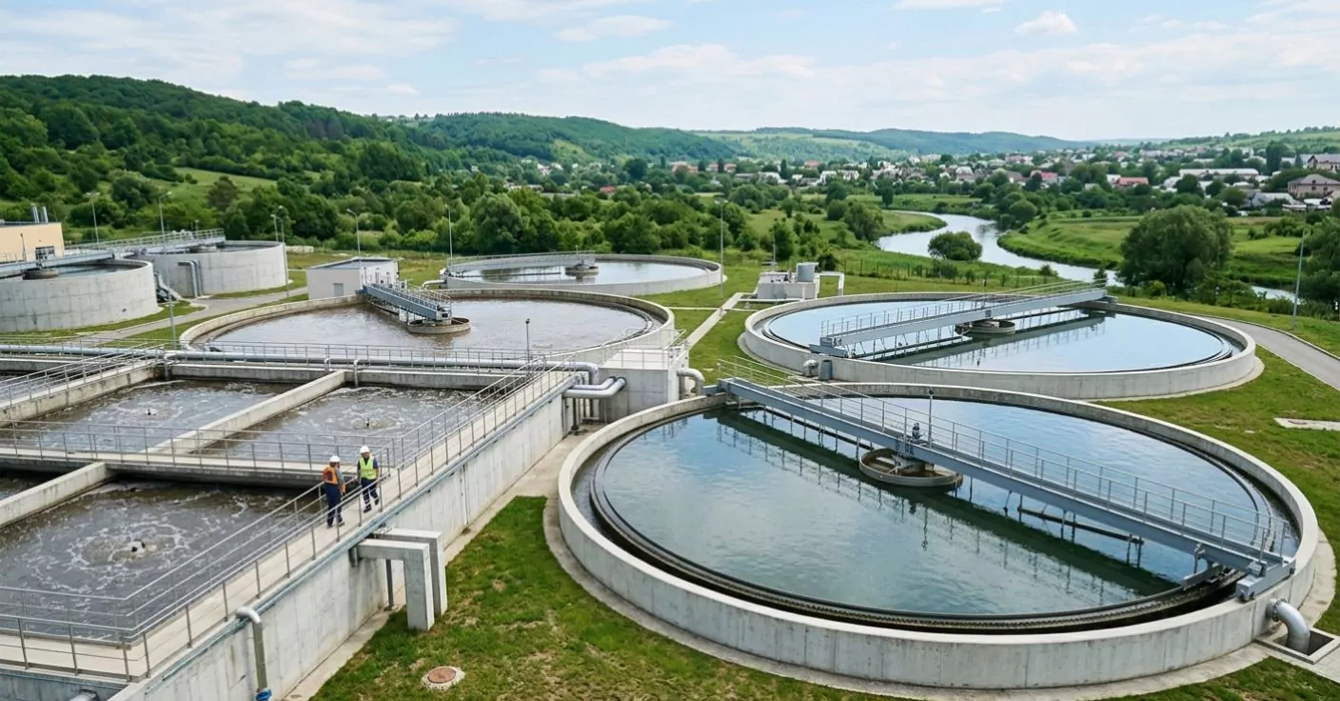
Fines or modernisation: When does environmental protection become a profitable strategy?
In modern Ukrainian business the issue of environmental safety is often perceived as a “necessary evil” — a spending item in the budget that one would like to put off until later. Yet economic reality is changing, and the timely modernisation of wastewater treatment today is becoming not simply a requirement of the law, but a strategic instrument for preserving...


