

Slurry

Equipment
Showing all 6 results
Frequently asked questions about slurry pumps
What do slurry pumps handle?
Abrasive mixtures with a high solids content: pulps and processing tailings, sand and gravel with water, milk of lime, sludge from treatment plants, drilling mud, ash and slag mixtures, stone-working waste. These are pumps for media that destroy ordinary equipment.
Metal or rubber lining — which to choose?
High-chrome cast iron — for large and sharp particles, high heads and high temperatures. Rubber lining — for fine-grained abrasive and moderate speeds; it absorbs the impact of the particles and often gives a longer service life. The choice is made according to the particle size of the solids and the operating parameters.
What does the service life of the wet end depend on?
Primarily on the flow velocity: wear rises sharply even with a small increase in speed. Then — the concentration and hardness of the particles, the grain shape and the correctness of the duty point. That is why slurry pumps are deliberately selected for reduced speed with a margin — this extends the service life several times over.
What design versions are available?
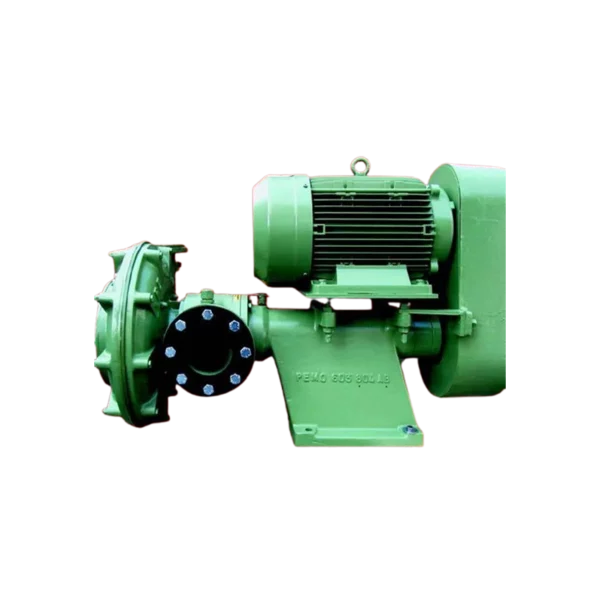
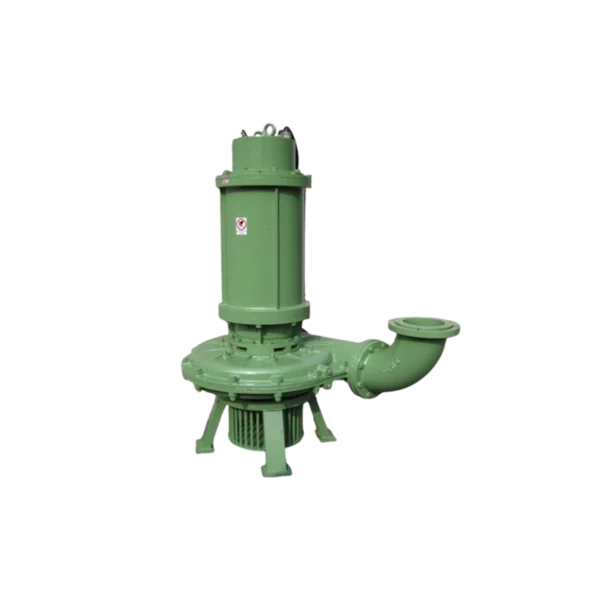
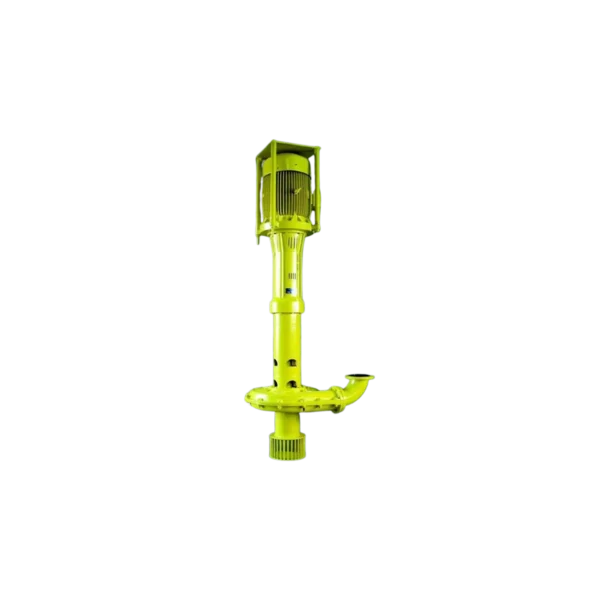
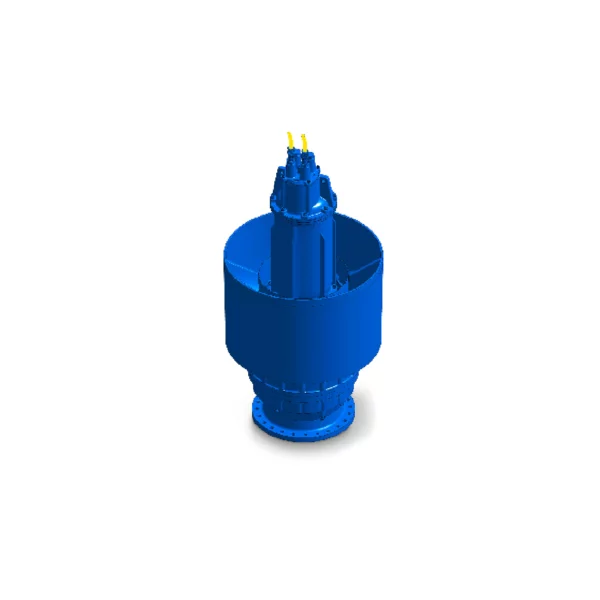
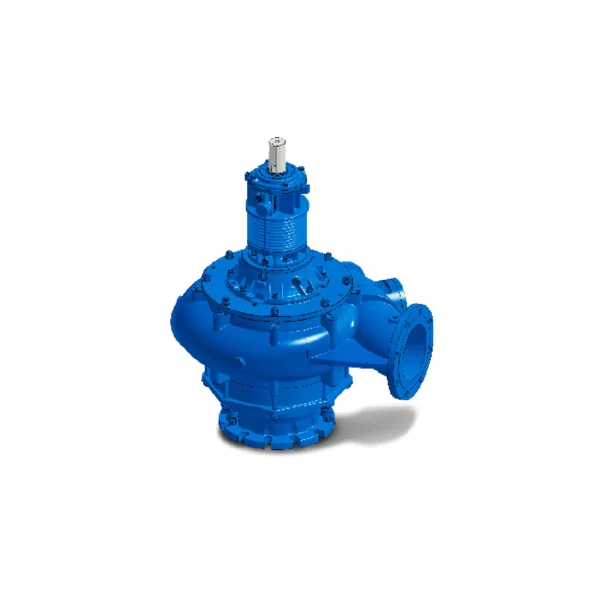
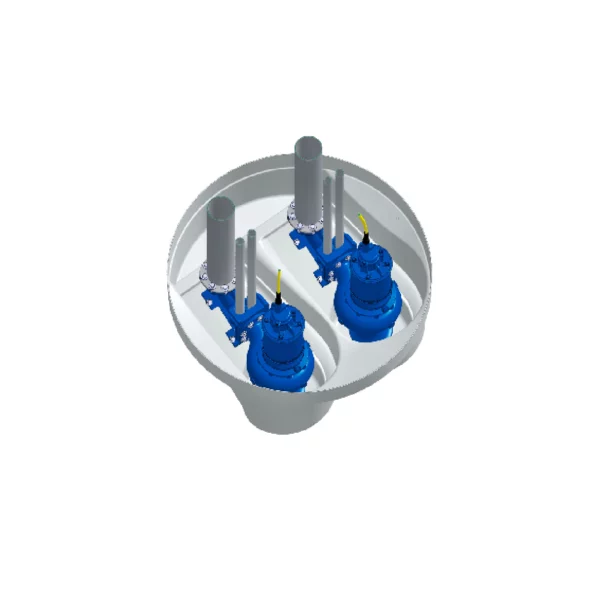
Horizontal cantilever pumps on a baseplate with a belt drive, vertical semi-submersible pumps for sumps and pits, submersible pumps with an agitator for work in settling tanks. The version is chosen according to the layout of the facility and the possibility of servicing.
Do you supply spare parts and casings?
Yes, and for slurry pumps this is a key operational point: impellers, liners, wear plates, seals and bearing assemblies. We keep a range of wear parts and plan their supply together with the overhaul schedule, so that a shutdown is not an emergency one.