Pemo Pumps – horizontal pump
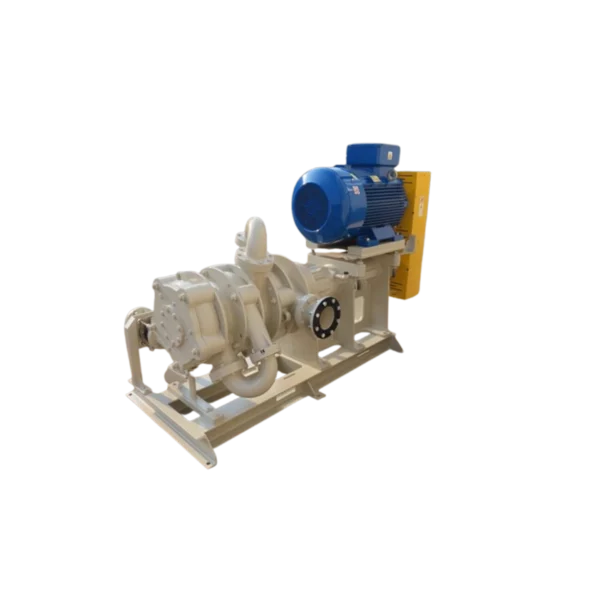
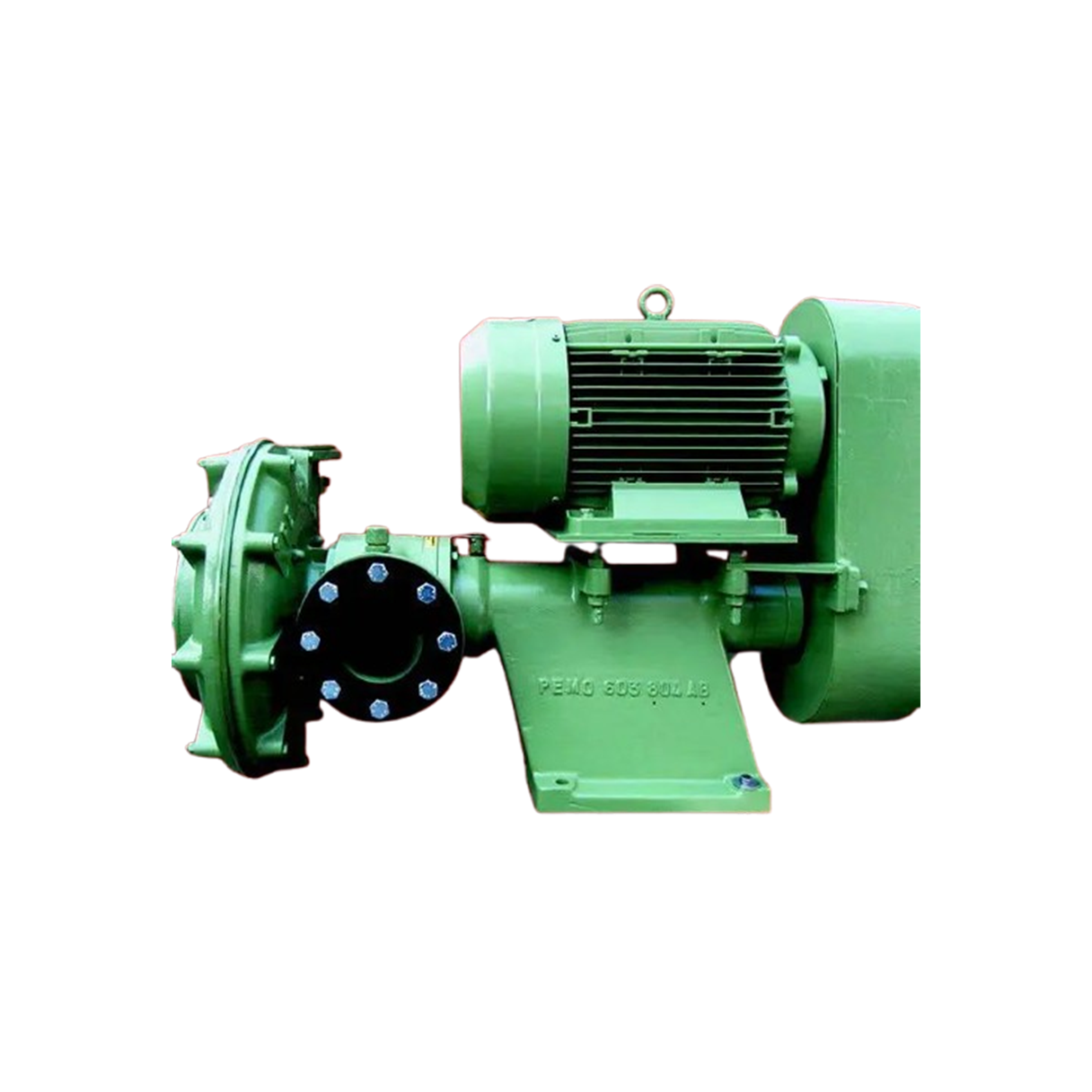
Horizontal Pemo pump available in three series: AO, AO/TD and AO/AB. They share the same hydraulic base, but have different sealing systems — and it is precisely this that determines which pump is suited for which medium.
Maximum head — 90 metres water gauge in the Hardalloy version. Maximum solid particle size — 2 mm.
Steiner Ukraine supplies Pemo Pumps equipment to Ukraine: media sizing, material selection, supply, service, spare parts.
What is a Pemo horizontal pump?
This is an end-suction centrifugal pump for abrasive and corrosive liquids containing solids. The pump sits on a frame next to the tank, not inside it.
The manufacturer builds every pump for a specific application. This applies to the material construction, the seal type, and the drive.
The manufacturer designs shafts, supports and bearings with a size margin — this is the stated method for extending service life under heavy duty conditions.
Other equipment from this manufacturer can be found on the page Pemo Pumps.
Which three series are in the lineup?
| The series | Entrance | Gaskets | What is it for? | Maximum pressure |
|---|---|---|---|---|
| AO, AO/AD | frontal | single-ended | liquids like water, virtually free of abrasive particles | no more than 2 bar |
| AO/TD, AO/TD/AD | frontal | double mechanical seal | abrasive and acidic liquids, heavy-duty applications | 3–4 bar output |
| AO/AB, AO/AB/AD | side | double mechanical seal | abrasive and acidic liquids, maximum seal life | head of up to 90 m in Hardalloy |
The manufacturer calls the series AO/AB at the heart of its production line.
The designation /AD at the end means a separate run of the same series. The manufacturer does not publish explanations.
Why does the side inlet in the AO/AB series extend seal life?
This is the manufacturer's main design concept, and it is worth explaining.
In a standard front-entry pump, the mechanical seal is located in the zone where the pressure has already been raised by the impeller. This means the friction pair is loaded discharge pressure — highest in the loop.
In the AO/AB series, the inlet is made from the side. The seal ends up in the zone where the pressure equals inlet pressure — at the lowest point in the pump.
| Frontal entry (AO, AO/TD) | Side entrance (AO/AB) | |
|---|---|---|
| Pressure on the friction pair | discharge pressure | inlet pressure |
| Consequence | standard resource | significantly longer seal life |
On abrasive slurry, the mechanical seal itself usually fails first. Reducing the pressure on the friction pair directly increases the operating time before replacement.
For acidic environments in this series, the shaft and mechanical seal chamber are additionally manufactured from special alloys.
How is the flush supplied to the seal?
The double mechanical seal requires a flush fluid between the friction faces. It prevents the solid phase from reaching the outer pair.
The flush pressure in the two series is set differently, and this directly affects water consumption.
| The series | Flushing pressure |
|---|---|
| A/O and T/D | approximately 1 bar above the slurry pressure at the exit |
| AO/AB | approximately 1 bar above the slurry pressure at the input |
The difference is significant. If the pump operates at 3 bar discharge pressure, the AO/TD series requires a 4 bar flush. The AO/AB series at the same operating mode requires only 1 bar above the inlet pressure, which is significantly less.
An alternative option for lubricating friction pairs, with one pair per pump, is water or a water/glycol mixture in a closed loop with natural or forced circulation.
Bearings are lubricated with grease or oil.
What technical parameters does the Pemo horizontal pump have?
| Parameter | Value |
|---|---|
| Type | centrifugal, end suction |
| Series | AO / AO-AD, AO/TD / AO/TD-AD, AO/AB / AO/AB-AD |
| AO/TD submission | from 1 m³/h (upper limit — see note) |
| AO/AB submission | from 1 m³/h (upper limit — see note) |
| Maximum head | 90 m head in Hardalloy PEMO (AO/AB) execution |
| Max AO pressure | no more than 2 bar |
| Maximum AO/TD output pressure | 3–4 bar |
| Maximum particle size | 2 mm, depending on the application |
| friction pairs of the seal | tungsten carbide (widia) or silicon carbide |
| Impeller materials | Hardalloy PEMO, AISI, Hastelloy C, or a rubber-coated metal core |
| Body materials | Hardalloy PEMO, stainless steel, Hastelloy, rubber lining |
| Drive | V-belt drive or direct drive |
Find out more about Hardalloy PEMO and the choice between metal and rubber lining on the page Pemo Pumps.
What friction pairs and bearings does the manufacturer use?
All Pemo horizontal pumps feature mechanical seals. The manufacturer uses two materials for the friction pairs.
| Friction pair material | Property |
|---|---|
| Tungsten carbide (widia) | highest hardness, abrasion resistance |
| Silicon carbide | high hardness plus chemical resistance, performs better on acids |
The choice determines what predominates in the environment: mechanical wear or chemical attack.
Seal lubrication has three options depending on the design: flush water at a specified pressure, a closed water/glycol loop with natural circulation, or the same loop with forced circulation.
Bearings are lubricated with grease or oil.
What reason is available?
| Implementation | When they take |
|---|---|
| V-belt drive | non-standard engine speeds are required; selection of the operating point by replacing pulleys |
| Direct drive | more compact, fewer service nodes |
The V-belt option offers a distinct advantage with slurries: by changing the pulleys, the operating point can be adjusted without a frequency converter and without replacing the impeller.
For which industries is the Pemo horizontal pump intended?
The manufacturer names five main markets for the horizontal line-up.
| Market | Typical tasks |
|---|---|
| Mining industry, quarries, mineral extraction | slurry pumping, mine dewatering, tailings |
| Non-metallic minerals | transportation of suspensions, wash water |
| Chemical industry | corrosive and abrasive media |
| Food industry | technological environments |
| Industrial wastewater treatment | sediments, thickened sludges |
The manufacturer specifically notes that it provides clients with references and cases for these markets.
Frequently asked questions about the Pemo horizontal pump
How many series of horizontal pumps does Pemo have?
Three: AO / AO-AD, AO/TD / AO/TD-AD and AO/AB / AO/AB-AD.
Which series is for clean water and which one for abrasive?
AO is designed for water-like liquids with virtually no abrasive particles—it has a single mechanical seal and a pressure of no more than 2 bar. AO/TD and AO/AB with a double seal are intended for abrasive and acidic media.
How does AO/AB differ from AO/TD?
By the side entrance. Thanks to it, the mechanical seal sees the inlet pressure rather than the discharge pressure, which extends its service life. The manufacturer calls the AO/AB the heart of its range.
What is the maximum head?
90 metres of water head delivered by Hardalloy PEMO for the AO/AB series. For a higher head, there is multi-stage executions.
What is the maximum particle size?
2 mm, with the manufacturer's caveat that the value depends on the specific application.
Is wash water required?
Yes, for the double mechanical seal. The flush pressure in the AO/TD series is set to approximately 1 bar higher than the discharge pressure, and in the AO/AB series to 1 bar higher than the suction pressure. An alternative is a closed water/glycol loop.
What materials are the friction pairs made of?
Tungsten carbide or silicon carbide.
What's the occasion?
V-belt drive or direct drive.
Can acids be pumped?
Right. For acidic environments in the AO/AB series, the shaft and mechanical seal chamber are made of special alloys, and the flow path is made of Hastelloy C or in a rubber-lined version.
What should I choose if the pump needs to be installed in a sump?
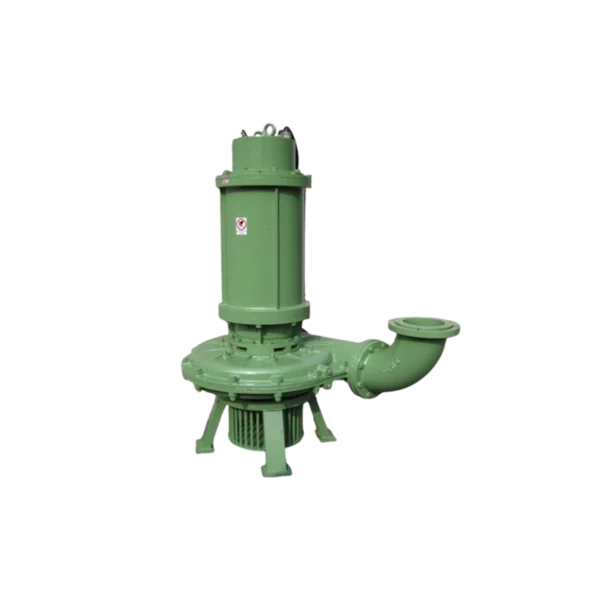
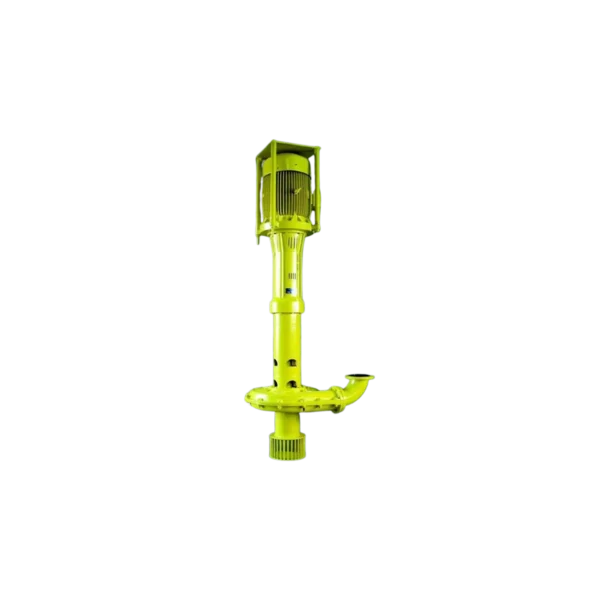
A horizontal pump is placed next to the tank. Designed to work from a sump are verticals and submersible execution
Enquiry for selection and price via ContactsOther equipment from the manufacturer — Pemo PumpsConcurrent execution: verticals, submersible, multi-stage. Sections: Industrial pumps, Pumps and systems, Spare parts.