

Agitator

Equipment
Showing all 5 results
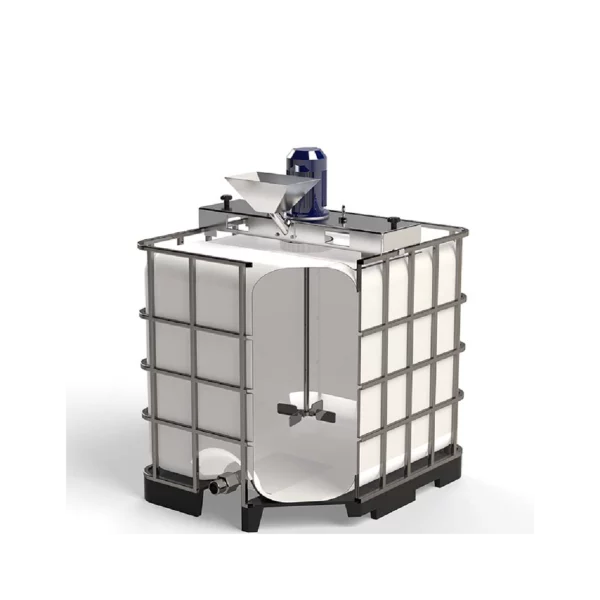
Frequently asked questions about agitators and mixers for tanks
How is an agitator selected to suit the tank?
By the volume and geometry of the tank, the viscosity of the product and the required nature of the mixing — homogenisation, keeping a suspension suspended, intensifying heat transfer or dissolution. The type of impeller, its diameter, the speed and the drive power depend on this.
What types of impellers are there and how do they differ?
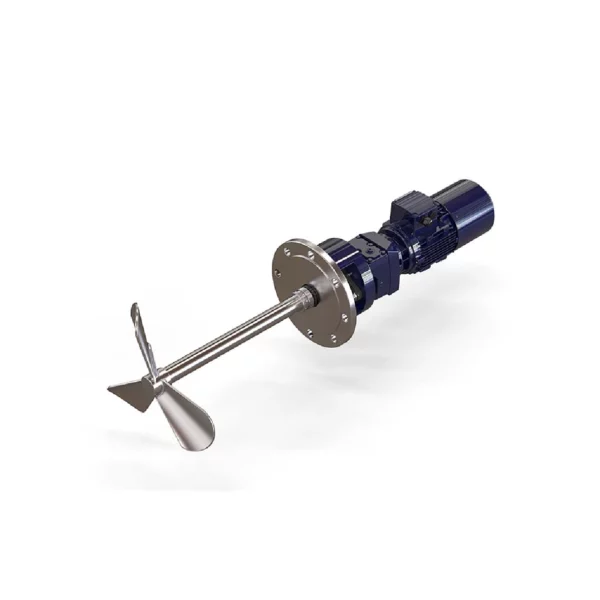
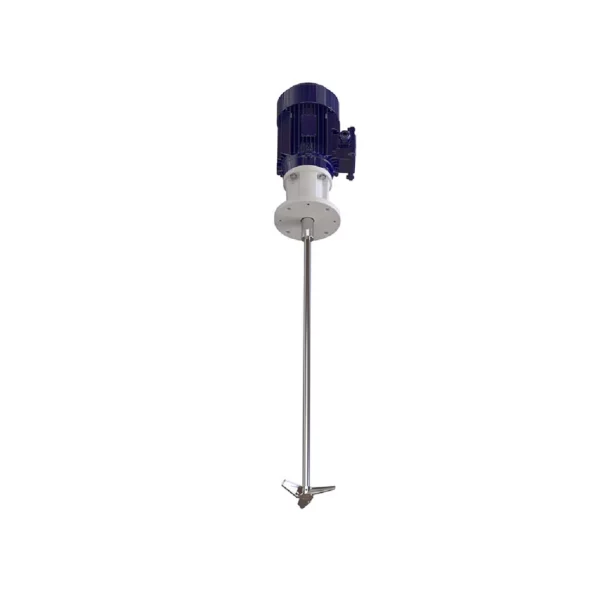
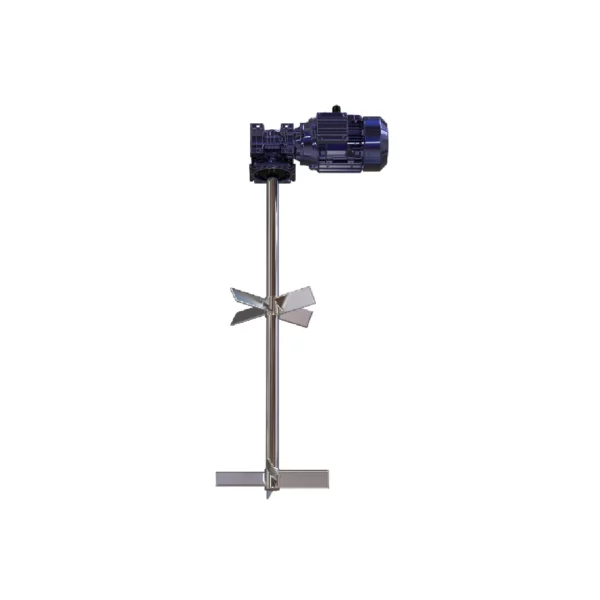
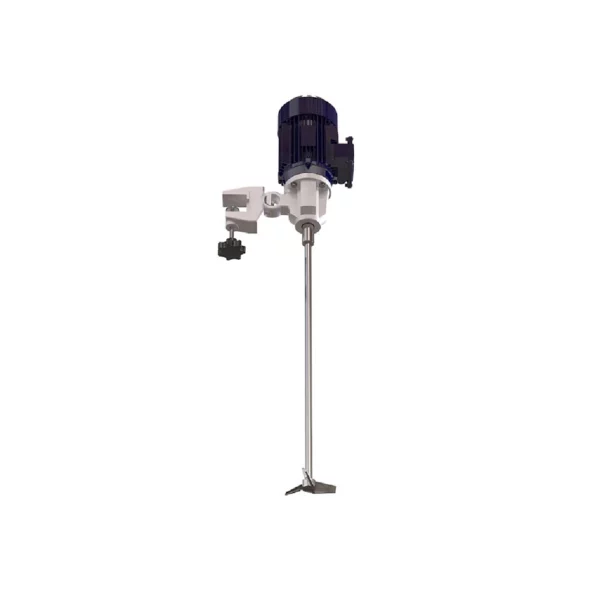
Propeller impellers create an axial flow and suit low-viscosity liquids. Turbine impellers give a radial flow and high shear — for dispersing. Paddle impellers are universal for medium viscosities. Anchor and frame impellers work close to the wall and are needed for thick masses and for heated tanks.
Top drive or side mounting?
A top drive is the standard for most process tanks: simple installation, convenient servicing, a symmetrical flow. Side mounting is used on large tanks and where the top is occupied by other equipment; it requires an accurate calculation of the mounting angle so that no dead zones appear.
What about materials and hygiene?
For food and pharmaceutical processes the agitators are made of stainless steel with polished surfaces, and the shaft entry through the lid has a hygienic seal designed for washing. For work under pressure or vacuum a mechanical seal is used.
Is speed control needed?
Often yes. Different stages of the process require different intensity: intensive mixing when the components are added and gentle maintenance of homogeneity afterwards. Frequency control also reduces energy consumption and the load on the drive. We supply agitators complete with a frequency converter.