

Dynamic mixer
-
 Exclusive partner

Equipment
Showing all 3 results
Frequently asked questions about dynamic mixers
How does a dynamic mixer work?
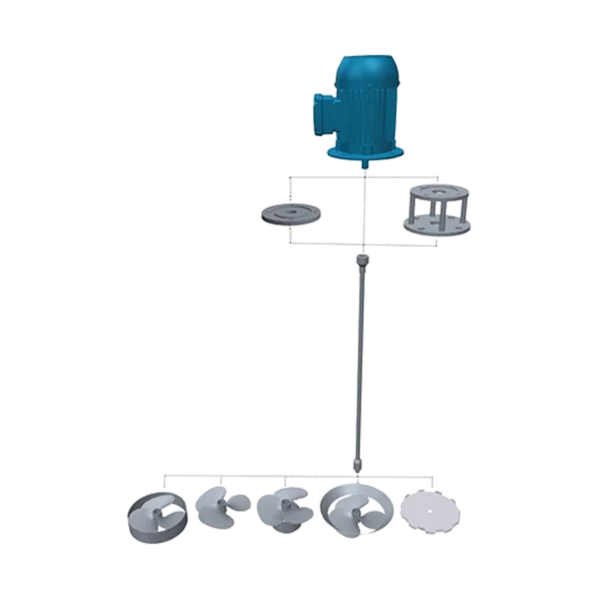
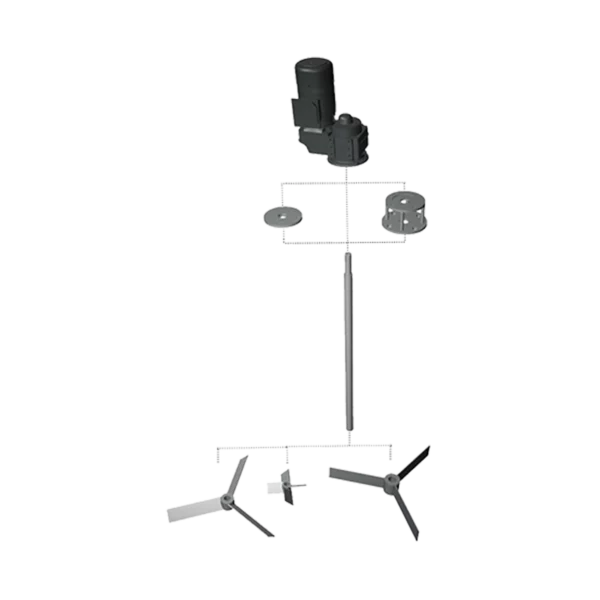
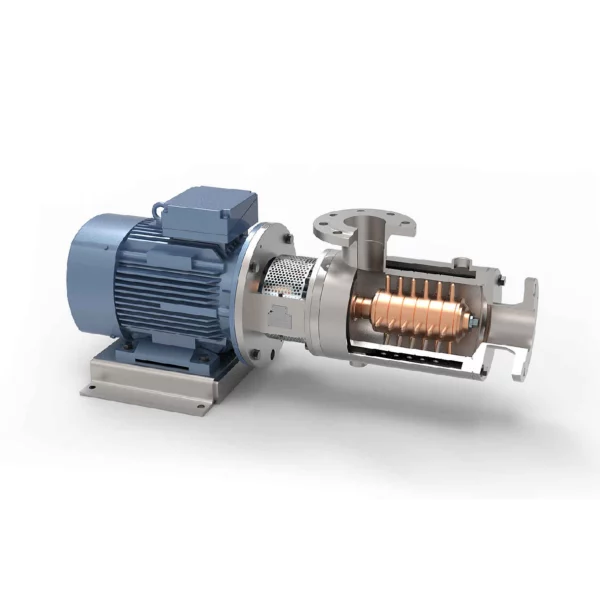
It is a mixer with a drive: the working element — a rotor or a rotor-stator system — rotates and creates intensive shear in the flow. Thanks to this the components are mixed considerably faster and more finely than with passive stirring, right up to obtaining stable emulsions and suspensions.
How does it differ from a static mixer?
A static mixer has no moving parts and works solely through the geometry of the flow — it is simple but limited in intensity. A dynamic one gives a controlled level of shear, copes with a large difference in the viscosity of the components and with tasks where the phase has to be broken down rather than merely stirred.
What tasks does it solve?
Emulsifying two immiscible liquids, dissolving powders and stabilisers in a liquid, preparing suspensions, dispersing colourants and fats, preparing sauces, mayonnaises, milk blends, cosmetic creams and pharmaceutical preparations.
Should the mixer be installed in the line or in a tank?
The inline version is installed in the flow and works continuously — this is advantageous for continuous lines with a stable recipe. The tank version is more convenient for batch work and for recipes where the components are added in stages. The optimum arrangement often combines both options.
Are there hygienic versions for CIP?
Yes. For food, dairy and pharmaceutical applications the mixers are made of stainless steel with polished contact surfaces, without dead zones, with seals suited to cleaning solutions and CIP temperatures. Material documentation is provided together with the equipment.