

Sump


Equipment
Showing all 4 results
Frequently asked questions about drainage pumps
For which tasks is a drainage pump needed?
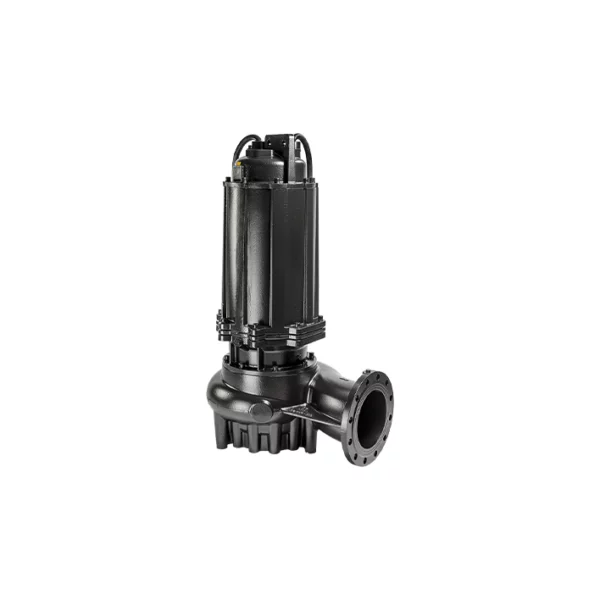
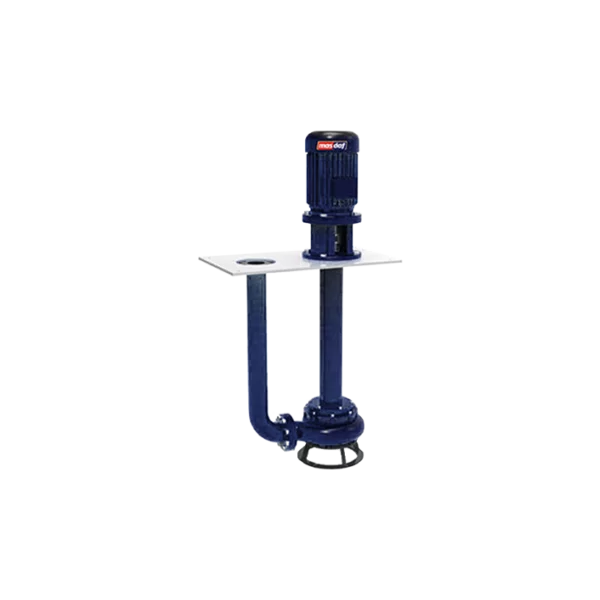
For pumping out contaminated water: sumps and basements, process effluents of the workshop, rainwater, water after washing equipment, emergency leaks, dewatering on construction sites. This is a pump for water with impurities, and not for clean water under pressure.
How does a drainage pump differ from a sewage pump and a slurry pump?
A drainage pump is designed for water with small solid particles. A sewage pump has a cutting mechanism or a large free passage and handles effluents with large inclusions. A slurry pump is intended for abrasive mixtures of high concentration and is made of wear-resistant materials. A mistake with the type means clogging or rapid wear.
What solid inclusions will the pump pass?
This is determined by the free passage of the impeller — the parameter is stated in the characteristics of the model. If large fragments are possible in the effluent, an intake basket is installed or a pump with a larger free passage or with a cutting mechanism is chosen.
How can automatic operation of the pump be organised?
By means of a float switch or level sensors in the sump: the pump switches on when the upper level is reached and switches off at the lower one. For critical sites two pumps with alternation and an emergency level alarm are installed. Dry running is destructive for a drainage pump, so the lower threshold must be carefully set.
Which casing material should be chosen?
For occasional dewatering a cast iron or composite casing is sufficient. For wastewater with chemically active impurities, for food workshops with cleaning solutions and for continuous operation, stainless steel is chosen. We select the design according to the composition of the effluent and the operating mode.