

Self-Priming


Equipment
Showing all 3 results
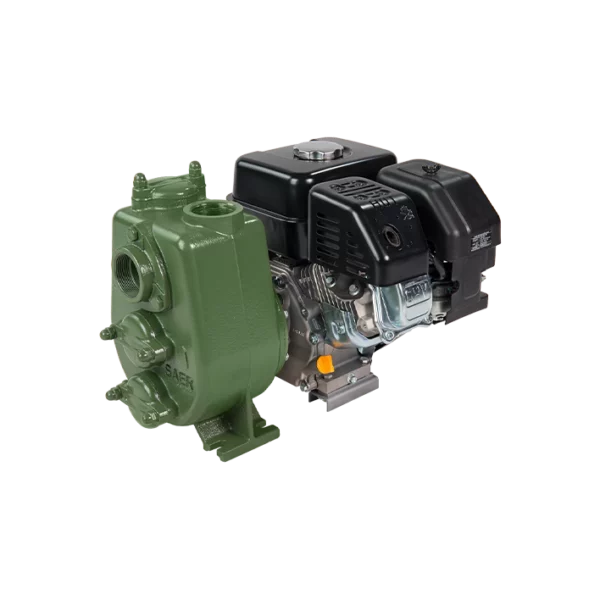
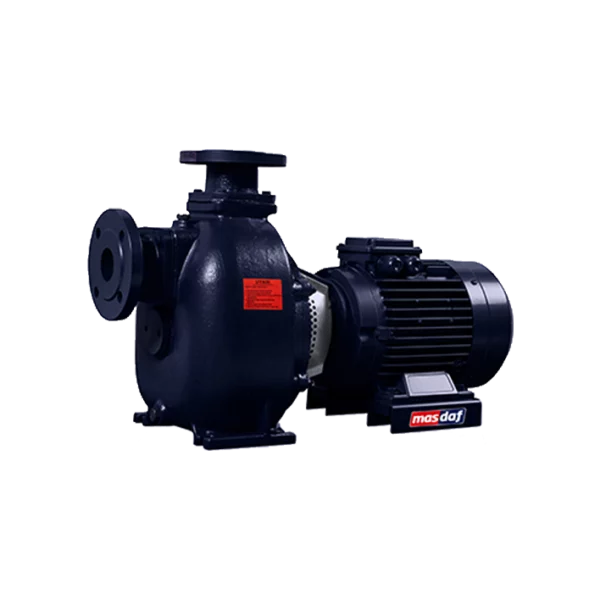
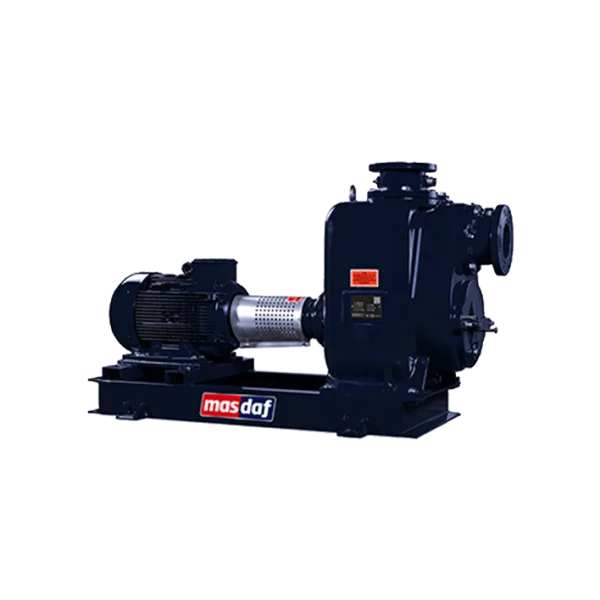
Frequently asked questions about self-priming pumps
What does "self-priming" mean?
The pump is able to remove air from the suction line on its own and to lift the liquid from a level below its own, without an external vacuum device and without filling the whole line. A pump that is not self-priming simply "hangs" on the air in such a layout.
From what depth will it lift the liquid?
The practical range of most models is up to a few metres vertically; the specific value is stated by the manufacturer. The actual height depends on the temperature of the liquid, its density, the leak-tightness of the suction line and its length — air leaking in through a loose joint reduces self-priming to nothing.
Does the pump have to be filled before the first start-up?
Yes, the pump casing must be filled with liquid once — it is precisely this liquid that ensures the operation of the built-in self-filling chamber. Afterwards, at repeat start-ups, the remaining liquid in the casing is retained and the pump starts on its own, if it has not been forcibly emptied.
Where are such pumps used?
Emptying of vessels, tanks and reservoirs, mobile pumping units, pumping from sumps, operation on lines where an air phase is possible in the flow, dewatering and emergency pumping out. That is, everywhere the pump stands above the level of the liquid.
What are the typical installation mistakes?
Leaking connections and cracks on the suction line, a suction pipe that is too long or too narrow, air pockets due to an unsuccessful routing, the absence of a non-return valve where it is needed, and dry running when the vessel is empty. We check the piping layout at the selection stage.