

Fire system

Equipment
Showing all 6 results
Frequently asked questions about fire-fighting pump systems
What does a fire-fighting pumping station include?
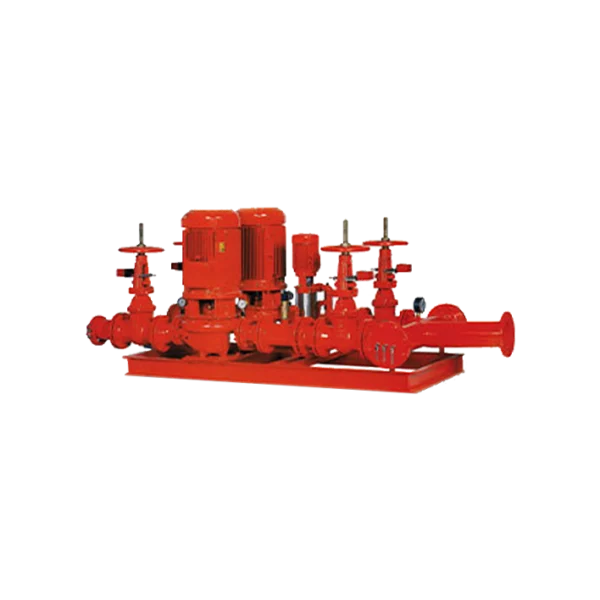
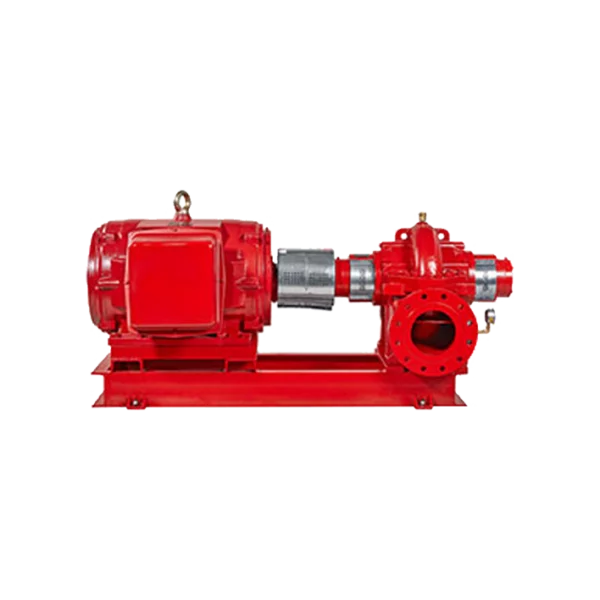
The main fire pump, a standby pump, a jockey pump to maintain pressure in the system, suction and discharge pipework with valves, instrumentation, an automatic control cabinet and, if required, a water storage tank. The scope of supply is determined by the design of the facility's fire-fighting system.
Why is a jockey pump needed?
It compensates for minor leaks and maintains standby pressure in the system so that the main pump does not start needlessly. The main pump switches on only when the pressure genuinely drops — when a sprinkler operates or a fire hydrant is opened. This extends the service life of the main equipment.
Is a standby pump with a diesel drive needed?
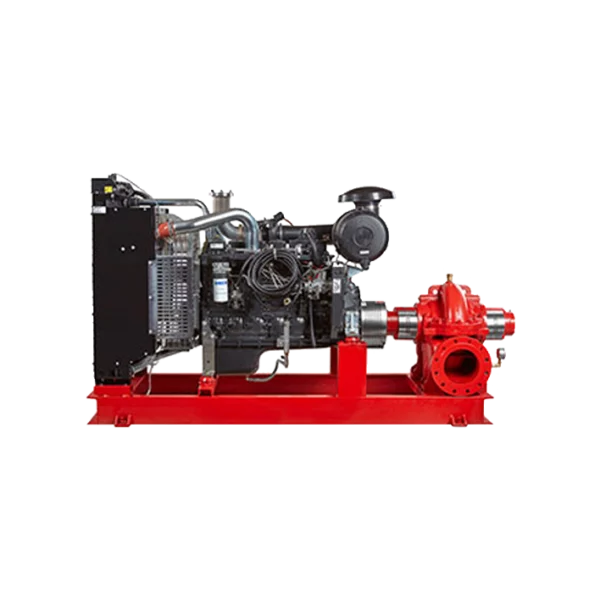
At facilities where power supply from two independent sources is not guaranteed, a standby pump with a diesel drive is effectively mandatory: the system must work even during a blackout. The specific requirement is determined by the category of the facility and by the design solution.
How does the start-up automation work and how is it tested?
Start-up takes place on a signal from pressure sensors or from the fire alarm system, with automatic switchover to the standby pump if the main one fails. Operability is verified by periodic test starts according to the schedule — the control cabinet supports a test mode without feeding water into the network.
Do you only supply the equipment or do you carry out the works as well?
We configure the station to suit the design, supply it fully assembled, carry out installation, commissioning and personnel training, and then provide service maintenance and the supply of spare parts.