





Frequently asked questions about diaphragm pumps
Why is an air-operated diaphragm pump convenient in production?
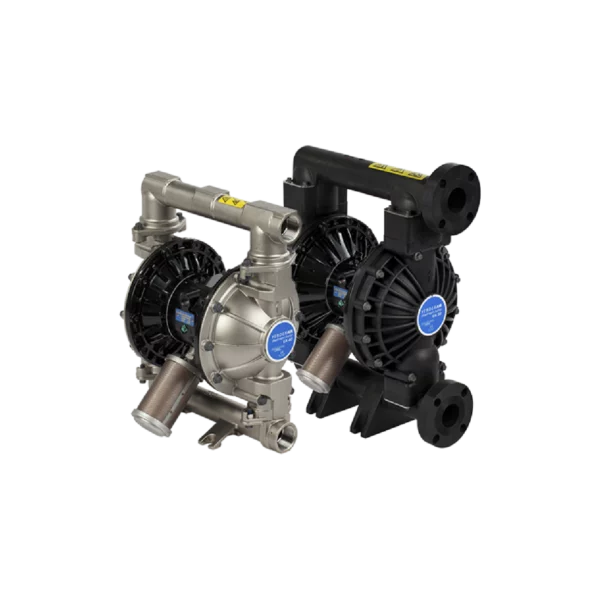
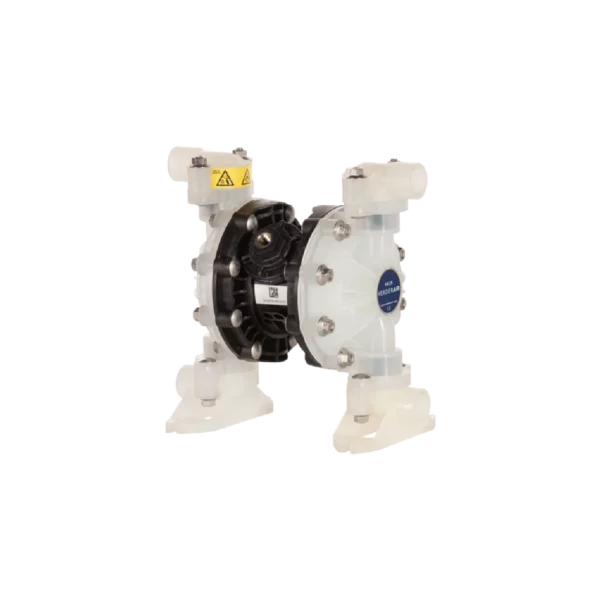
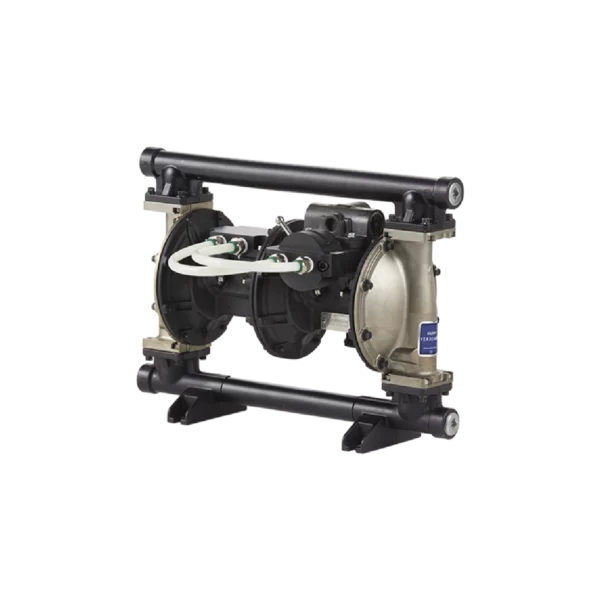
It has no electric motor and no rotating seals, it works on compressed air, withstands dry running without damage, is self-priming and can work with the gate valve closed — it simply stops and waits. This makes it a "fail-safe" pump for the hardest and dirtiest tasks.
What media does it handle?
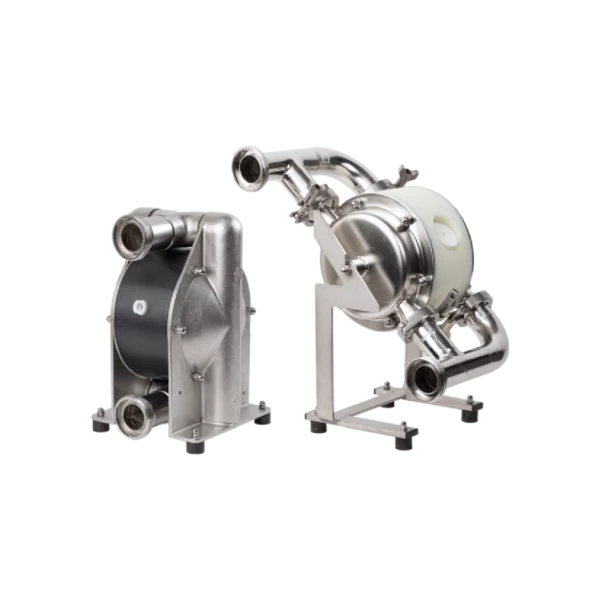
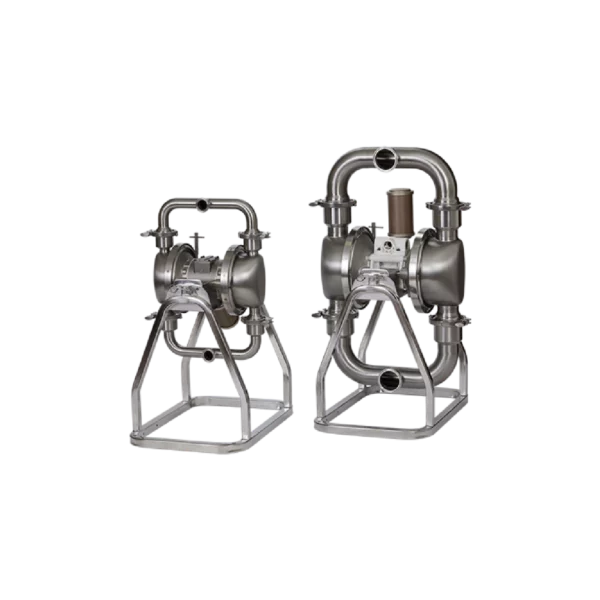
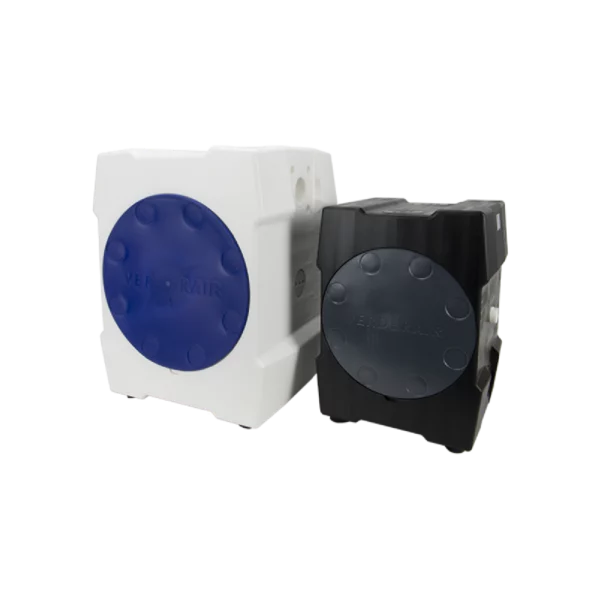
Practically any pumpable ones: acids and alkalis, solvents, paints and varnishes, adhesives, slurries and suspensions with abrasive, food products in the appropriate design. The resistance is determined by the materials of the casing and the diaphragms — PP, PVDF, PTFE, aluminium, stainless steel, diaphragms of PTFE, EPDM, NBR, Santoprene.
Can it be installed in an explosion-hazardous zone?
Yes, this is one of the reasons for its use. The air drive has no ignition sources, and for work with flammable media, designs with the appropriate certification and with conductive materials and earthing are supplied.
How can flow pulsation be dealt with?
By its operating principle, a diaphragm pump gives a pulsating delivery. If this is critical — for dosing, flow measurement or working with a filter — a pulsation dampener is installed on the discharge line. This is a standard accessory which we supply together with the pump.
How much air does it consume?
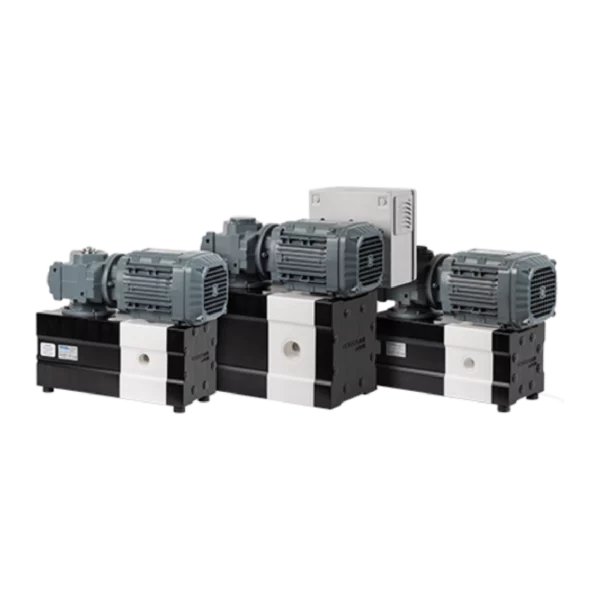
The consumption depends on the size, the pressure and the flow rate and is stated in the characteristics. This is the main item of operating cost of such a pump, therefore with continuous intensive operation it is worth comparing the cost of compressed air with an electrically driven alternative — we make such a calculation at the selection stage.