

Twin-screw
-
 Exclusive partner
 -
 Exclusive partner
 -
 Exclusive partner
Equipment
Showing all 7 results
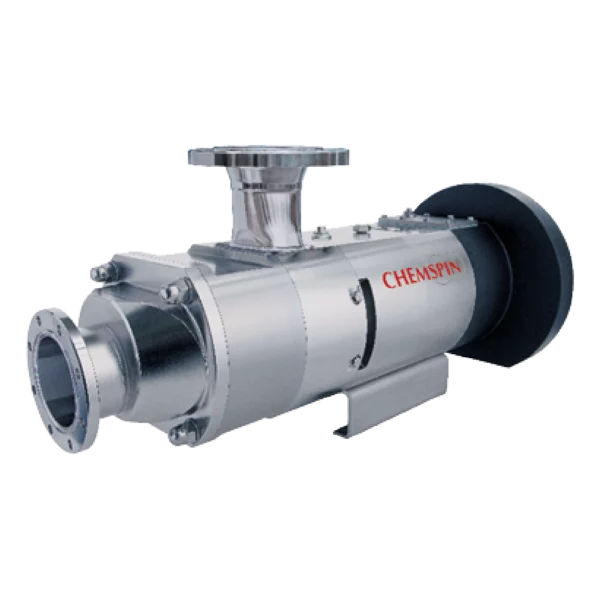
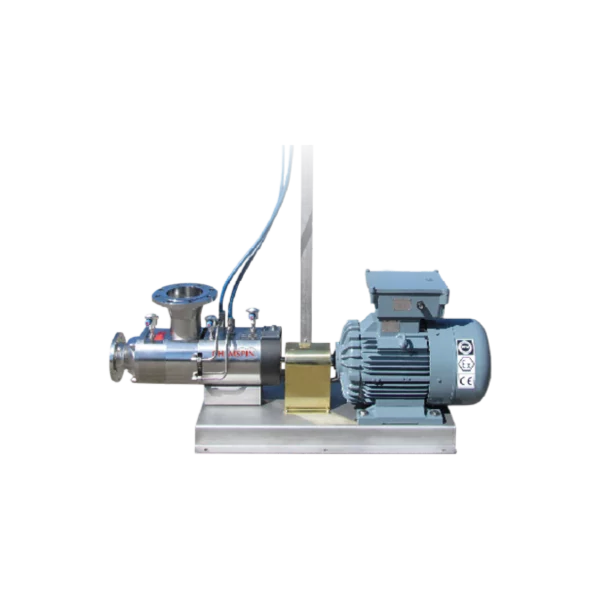
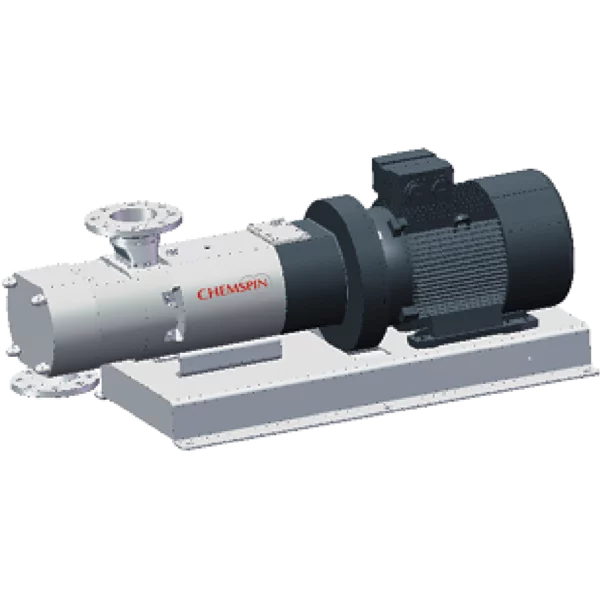
Frequently asked questions about twin-screw pumps
How does a twin-screw pump differ from a single-screw one?
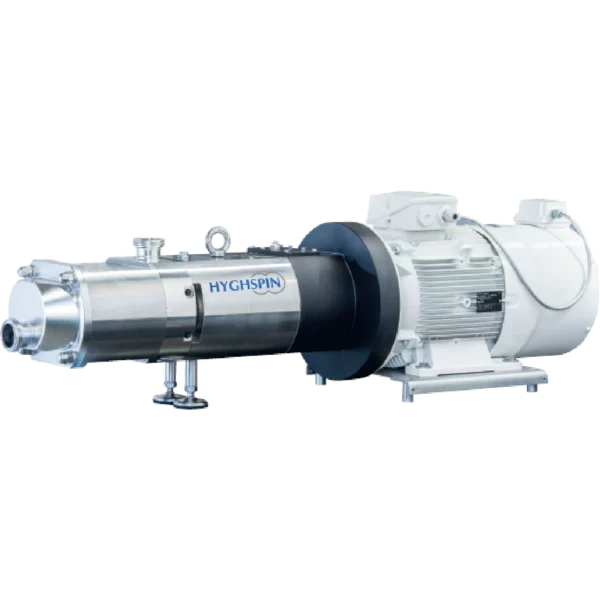
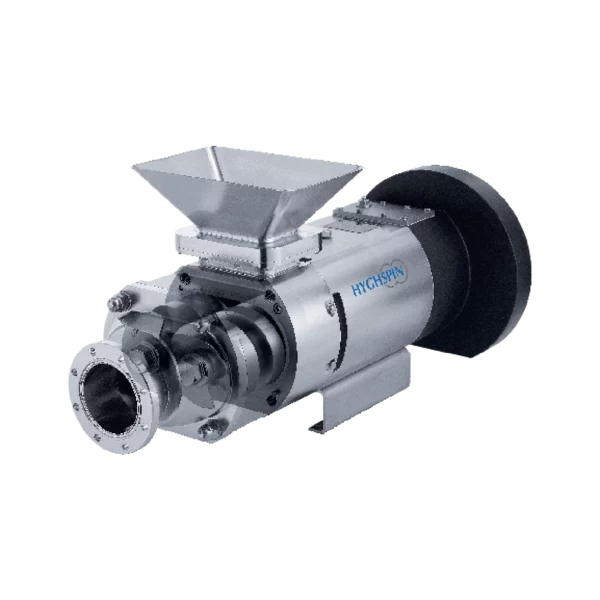
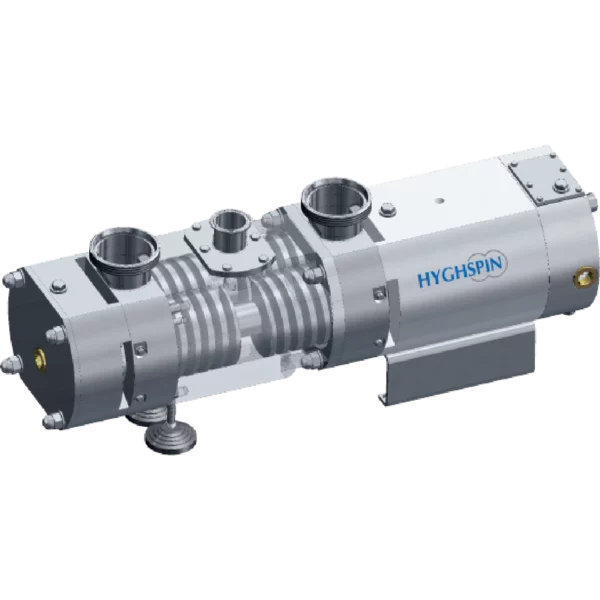
In a twin-screw pump two screws rotate synchronously and touch neither each other nor the casing — there is no rotor-stator friction pair, which is a consumable element. This provides higher speeds, a longer service life and the possibility of operating in modes in which a single-screw pump wears out quickly.
Is it true that one pump can both pump the product and do the CIP cleaning?
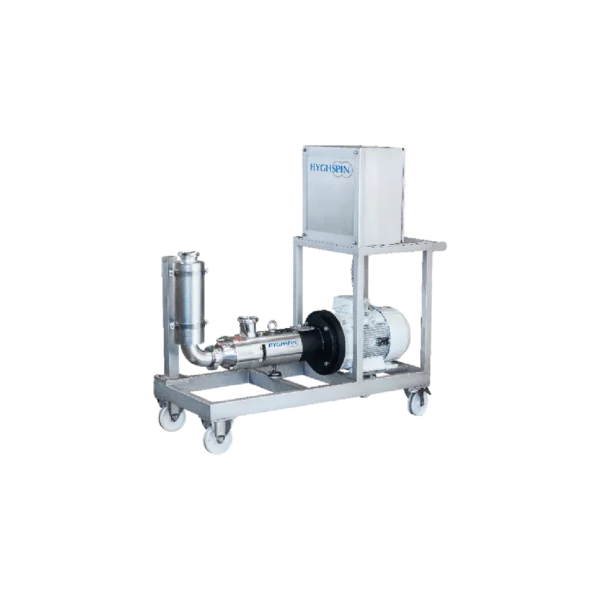
Yes, this is its main advantage on food lines. At low speeds the pump gently transfers a viscous product, at high speeds it pumps the cleaning solution with a flow rate sufficient for CIP. This removes a separate cleaning pump from the line and simplifies the piping.
How hygienic is it?
Non-contacting screws, the absence of dead zones, complete self-draining of the casing and hygienic connections make it suitable for food, dairy and pharmaceutical applications, including cleaning and sterilisation without disassembly.
What capacity and pressure does it provide?
The range is wide — from small flow rates to several hundred cubic metres per hour, with a pressure sufficient for feeding the product to the next process stage or to the filling machine. The specific size is selected according to the viscosity of the product, the required flow rate and the back pressure in the line.
When is a twin-screw pump more advantageous than a rotary lobe pump?
When higher speeds and a wider flow control range are required, when the transfer of the product and CIP have to be combined in one pump, and also when a service life without consumable elastomer elements is important. The rotary lobe pump remains appropriate where its range is sufficient and the initial cost is critical.