

Barrel pumping system


Equipment
Showing all 3 results
Frequently asked questions about drum emptying systems
How does a drum emptying system differ from an ordinary drum pump?
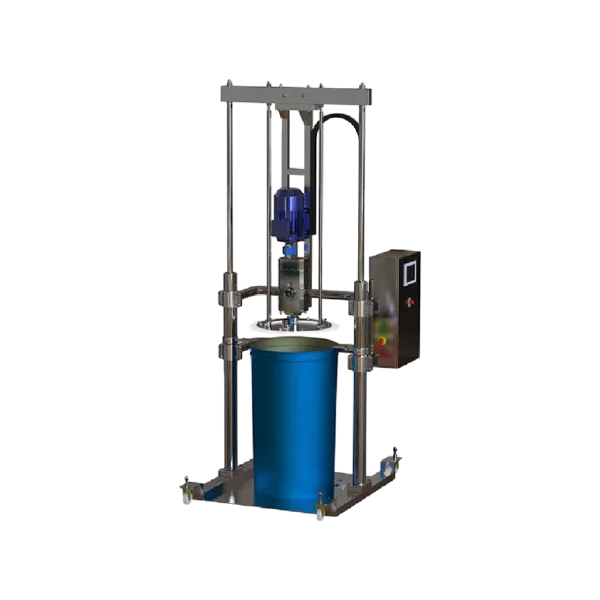
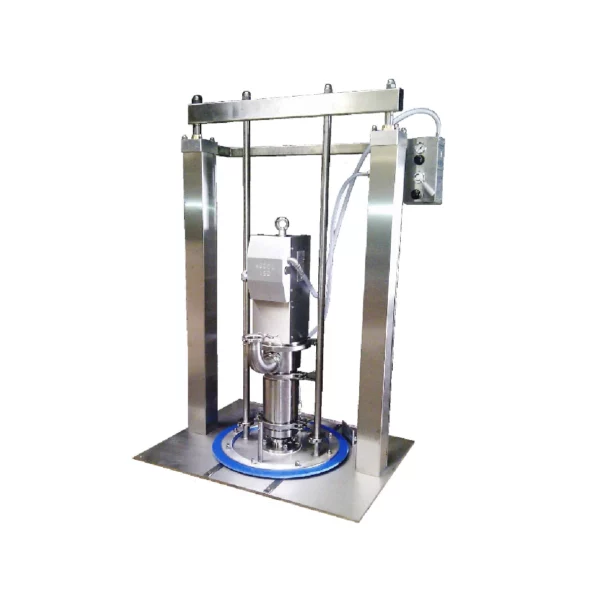
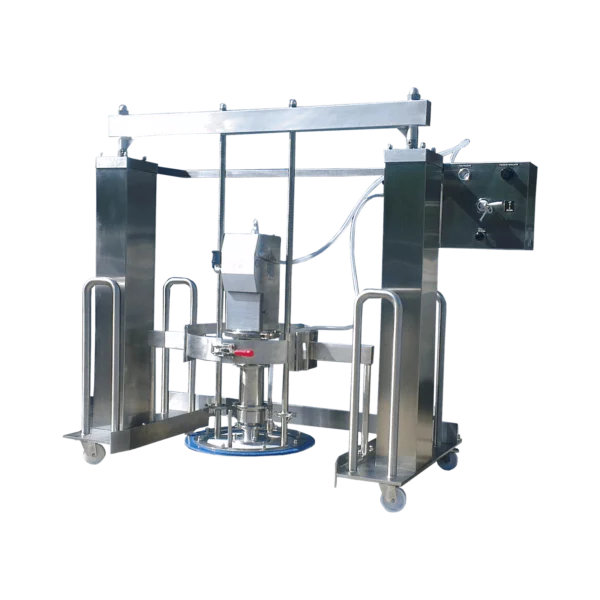
A drum pump is a single machine that is lowered into the container. A drum emptying system is a complex: a lifting column, a follower plate matching the size of the container, a pump of the appropriate type, piping and control. It is designed for products that do not flow by gravity, and for a repeated production cycle rather than for a one-off transfer.
How much product remains in the drum after emptying?
When working with a follower plate, the residue on the walls and the bottom is minimal — the plate is lowered under pressure and displaces the product. For expensive raw material this is direct money: what usually goes for disposal together with the container ends up in production.
For what container is the system selected?
For a specific internal diameter and height: a 200 l drum, a hobbock container, an IBC, a process tank. The plate must match the geometry of the container, otherwise leak-tightness along the wall is not ensured. If a production facility has several container formats, an interchangeable set of plates is selected.
Which products are most often pumped out with such systems?
Viscous and thick ones: tomato paste, condensed milk, honey, chocolate masses, fillings, mayonnaise and sauces, gelatine, cosmetic creams, silicones, sealants and adhesives, greases. That is, everything that cannot be drained by gravity and is uneconomical to clean out by hand.
How is such a system cleaned?
For food and pharmaceutical applications the system is made of stainless steel with a hygienic geometry without dead zones, and the plate, the pump and the piping are designed for cleaning. Depending on the configuration this can be CIP cleaning around the circuit or cleaning of the removed units. The cleaning regulations are agreed for the specific product and the requirements of the production facility.