

Pallet inverters
-
 Exclusive partner
 -
 Exclusive partner
 -
 Exclusive partner
 -
 Exclusive partner
 -
Exclusive partner
-
 Exclusive partner
 -
 Exclusive partner








Equipment
Showing all 4 results
Frequently asked questions about pallet inverters
Why is a pallet inverter needed?
To replace the pallet under the load or to turn the load over without manual re-stacking. Typical examples: replacing a wooden pallet with a plastic or hygienic one at the entrance to a food workshop, replacing a damaged pallet, turning the load over for access to the bottom layer.
What designs exist?
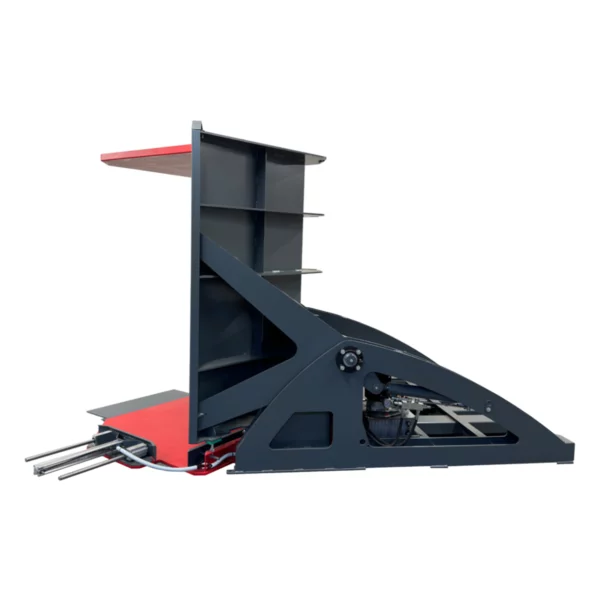
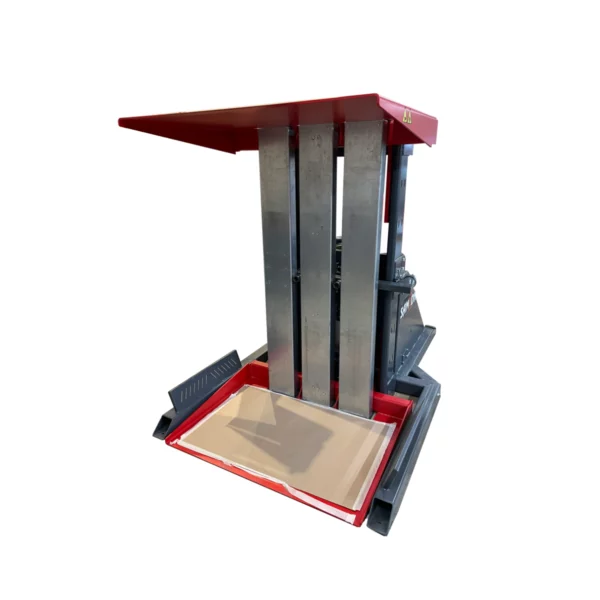
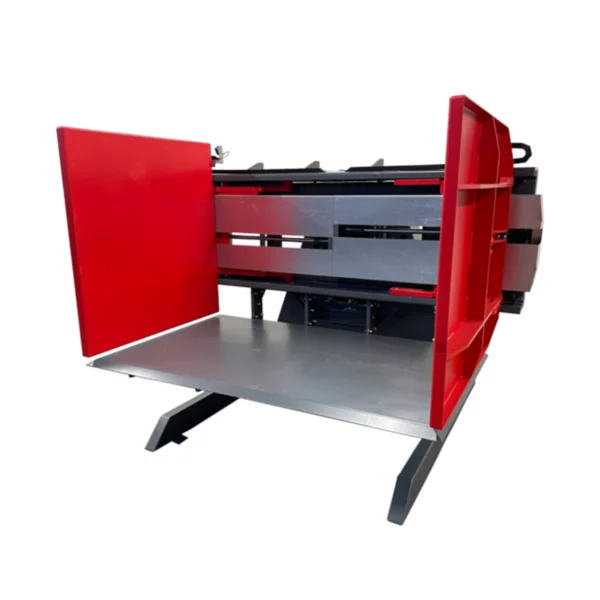
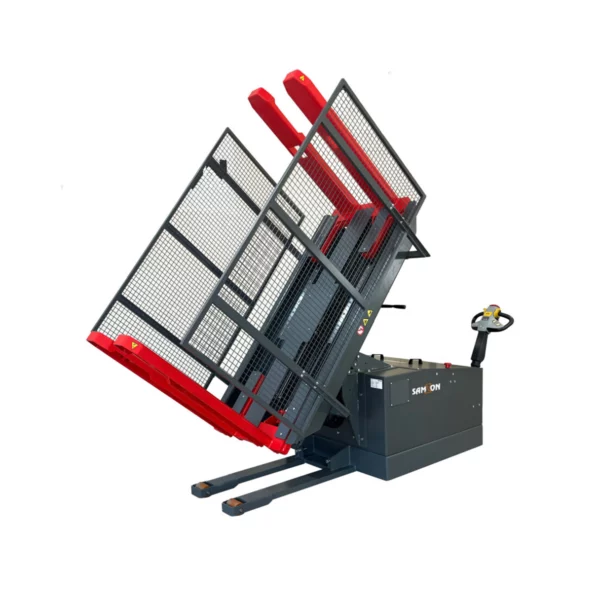
With a 90 degree tilt — the load lies on its side, the pallet is removed and a new one is placed underneath. With a 180 degree turn — complete inversion. Clamping ones — the load is fixed from the sides and the pallet is pulled out without tilting; this is the most careful option for unstable stacks.
Will the load withstand being turned over?
It depends on its stability. A film-wrapped and tightly formed pallet endures the operation without problems, while an unstable stack of fragile containers requires a clamping design or preliminary wrapping. We assess this according to your type of load before choosing the machine.
Which load requirements must be taken into account?
The maximum weight, the dimensions of the pallet, the height of the stack, the type of container and its degree of rigidity, the presence of wrapping. These parameters determine the size of the machine, the clamping force and the operating cycle. An underestimated weight calculation is the most frequent cause of problems in operation.
How is operator safety ensured?
Work area guarding, presence sensors, cycle interlock when the doors are open, emergency stop buttons. In the automatic version the machine operates inside a fenced zone without personnel involvement and is controlled from the line system.