How much time do your operators spend filling in paper logs? How many errors arise due to the ‘human factor’, and how quickly do you find out about quality issues with a batch?
In modern industrial engineering, the concept of ‘paperless production’ is not simply about doing away with stationery. It involves creating a unified digital ecosystem where every sensor on the bottling line becomes a source of valuable data. The experts at Steiner Ukraine help businesses transform the chaos of paper reports into clear, real-time digital analytics.
The problems with the ‘paper-based’ approach
Traditional quality control using logs has three critical shortcomings:
- Delay in information: You will only find out about the defect once the work has been completed and the tradesperson has submitted their report.
- Low reliability: Data may be entered retrospectively or contain errors.
- The complexity of the audit: Preparing for certification (such as ISO or HACCP) turns into weeks of sifting through records.
What are the benefits of Steiner’s automated reporting?
The introduction of digital control systems on bottling and packaging lines is a game-changer:
1. Real-time monitoring
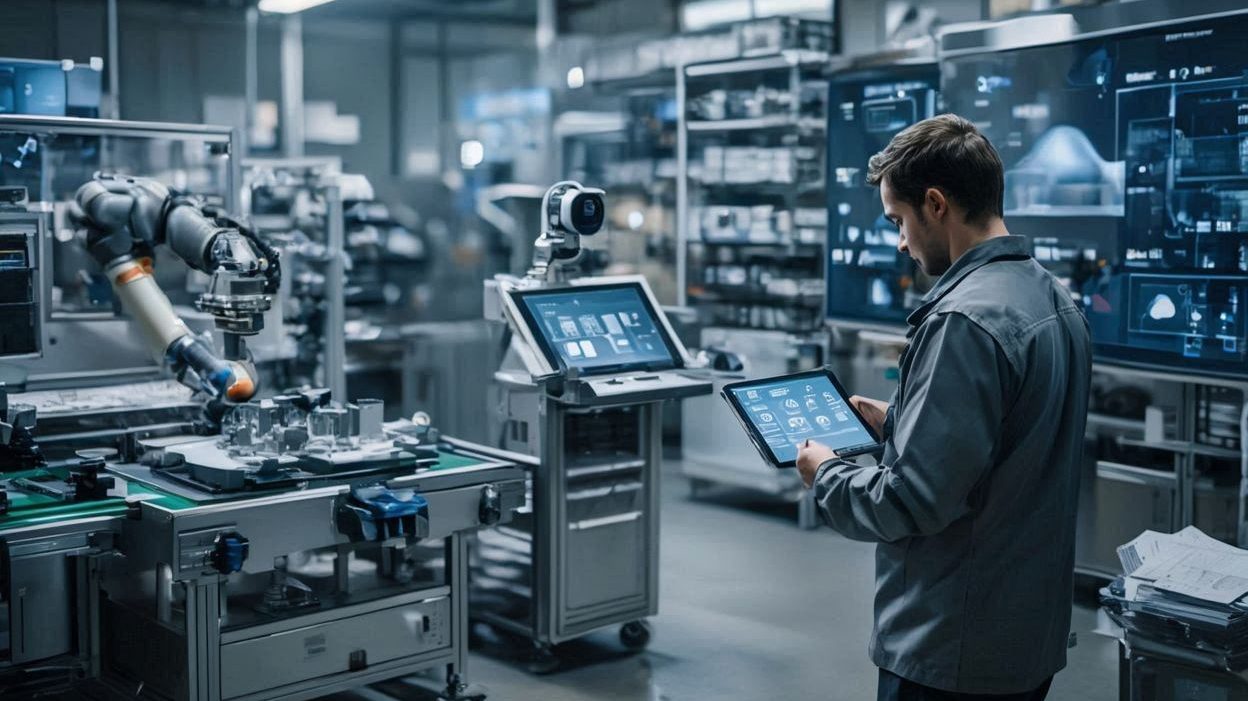
Tablets and monitors have replaced notepads. Management can monitor the production line’s status at any given moment: filling speed, number of finished units, product temperature and pressure levels. Any deviation from the norm is instantly highlighted in red, allowing the line to be stopped before a tonne of defective product is produced.
2. Automatic traceability
The digital system tracks the journey of every bottle. You know exactly which batch of raw materials was used to manufacture the product, who the operator was, and what equipment settings were in place at the time of bottling. This is of critical importance to the food and pharmaceutical industries.
3. Electronic checklists and SCADA systems
The operator receives the task directly on the terminal. The system will not allow the line to be started until all quality control steps have been completed (for example, a leak test or a date-coder check).
The benefits of going paperless
- A 15–20% reduction in defects: Thanks to an immediate response to deviations.
- Increased productivity: Staff spend less time on reports and more time on process monitoring.
- Easy audit compliance: All data for any period can be downloaded with a single click in PDF or Excel format.
- Business transparency: The owner can view the real-time production status on their smartphone from anywhere in the world.
How do you get started with Steiner Ukraine?
We don’t just supply hardware — we build intelligent systems. Our approach to automation includes:
- Integration of quality control sensors (fill level inspection, cap and label checks).
- Implementation of software for data collection and visualisation.
- Training staff to use new digital tools.
Ready to get rid of piles of paper and ensure flawless quality control? Book a consultation with the engineers at Steiner Ukraine. We’ll carry out an audit of your production lines and suggest the best plan for going digital.


