

Peristaltic



Equipment
Showing all 11 results
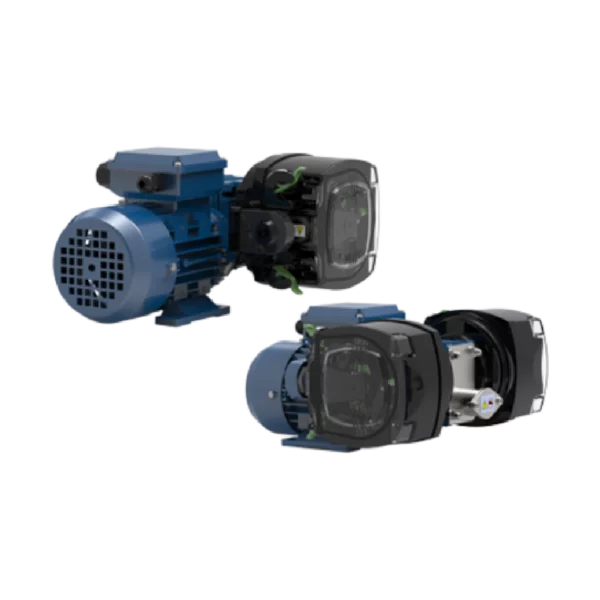
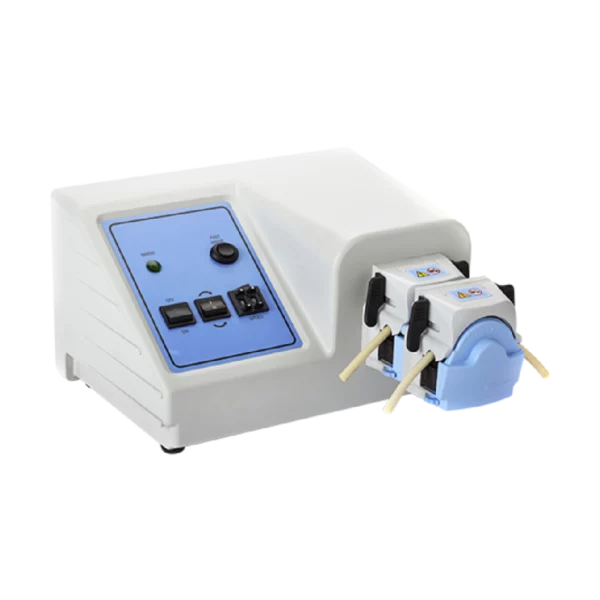
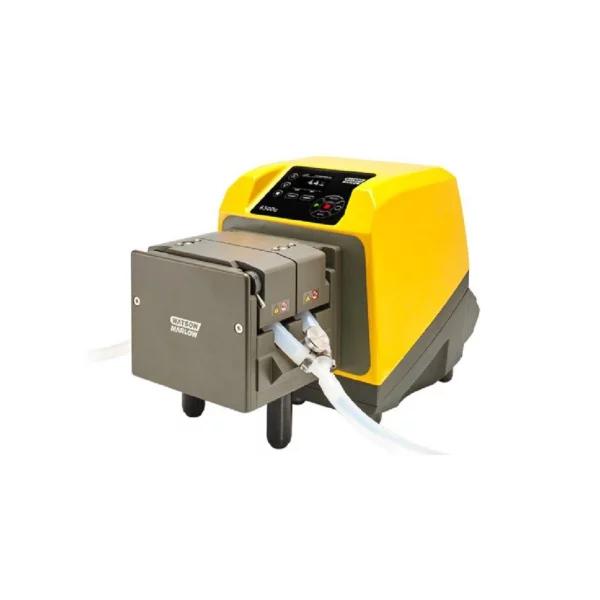
Frequently asked questions about peristaltic pumps
Why is a peristaltic pump chosen for difficult media?
Because the product is in contact only with the hose: there are no seals, valves, impellers or shafts in the product. Rollers squeeze the hose from the outside and drive the medium along. So there is nothing for the abrasive to wear out and nothing to leak — the pump handles what destroys other designs.
Which tasks does it cover best?
Abrasive suspensions and sludges, milk of lime, flocculants, aggressive chemicals, highly fibrous media, reagent dosing, and in the food and pharmaceutical industries — sterile pumping, where the absence of contact with the mechanism matters.
How accurately does it dose?
The flow is proportional to the speed and is practically independent of the back pressure, so together with a frequency converter the pump works as an accurate doser. The accuracy falls slightly as the hose wears, so for critical duties periodic calibration is provided for.
What is the service life of the hose and how do you know when it is time to change it?
The service life depends on the pressure, speed, temperature and abrasiveness of the medium — from hundreds to thousands of hours. The signs are: a drop in flow, increased pulsation, the appearance of product in the casing. Scheduled replacement based on running hours is cheaper than an emergency one: a burst hose means the medium gets into the casing together with the lubricant.
Does it withstand dry running and reversal?
Yes. The pump can run dry without damage, is self-priming from a height and is fully reversible — it is enough to change the direction of rotation to empty the line. This is convenient for dosing units and for working with vessels that periodically run empty.