

Barrel




Equipment
Showing all 3 results
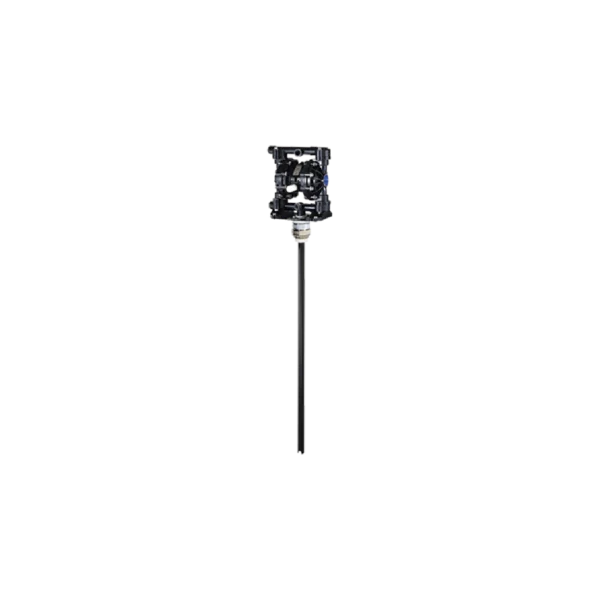
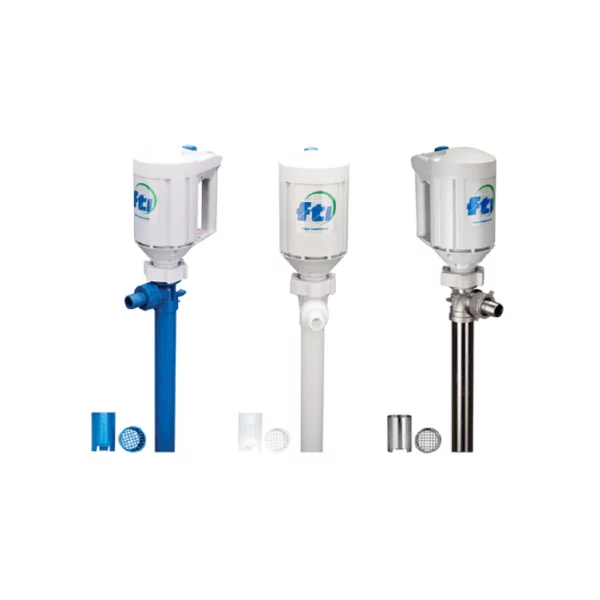
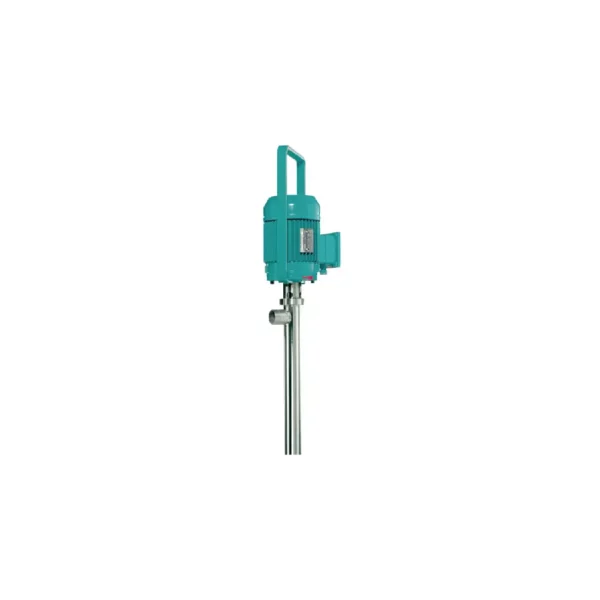
Frequently asked questions about drum pumps
What is a drum pump used for?
For pumping liquids directly out of a drum, canister, IBC or other container without tipping it over or decanting by hand. Typical tasks are transferring chemicals, oils, solvents, food liquids and cleaning agents into a production vessel or into smaller containers.
How do you select the length of the immersion tube and its material?
The length is chosen according to the height of the container: standard versions are designed for a canister, a 200 l drum and a 1000 l IBC. The material of the tube is determined by the medium being pumped: stainless steel — for food products and most technical liquids, polypropylene and PVDF — for acids, alkalis and aggressive chemicals.
Which drive to choose — electric or pneumatic?
An electric drive is more convenient where there is a socket and there are no explosion safety requirements. A pneumatic one is used when handling flammable liquids and solvents, in hazardous areas and where the plant already has a compressed air main. For highly flammable media a pneumatic drive in the appropriate design is practically the only option.
Can aggressive and highly flammable liquids be pumped?
Yes, provided the correct version is used: the wet-end and seal materials are selected to suit the specific reagent and its concentration, and for flammable media a pneumatic drive and earthing of the pump are applied. Send us the name of the substance, its concentration and temperature — we will select a resistant version.
And what if the product is viscous and does not flow by gravity?
For viscous products — honey, pastes, condensed milk, resins, thick adhesives — a standard drum pump is inefficient. In such cases an eccentric screw pump version is used, or a drum emptying system with a follower plate, which displaces the product out of the drum with practically no residue.