

Cup filling: FFS, FS
-
 Exclusive partner
 -
 Exclusive partner
 -
 Exclusive partner
 -
 Exclusive partner
 -
Exclusive partner
-
 Exclusive partner
 -
 Exclusive partner






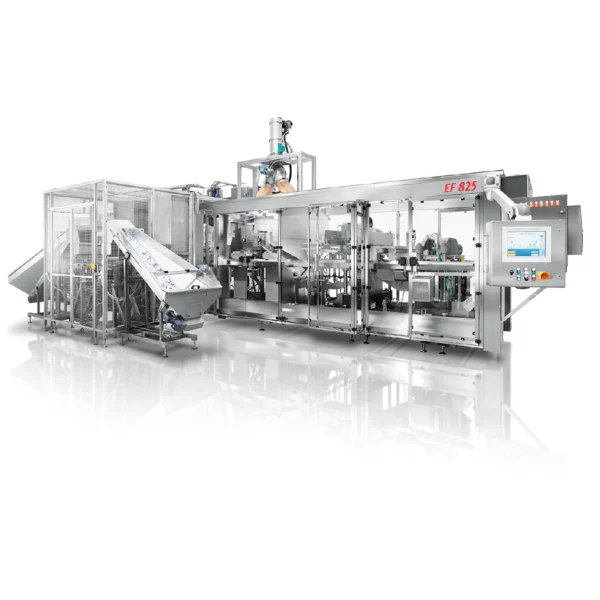
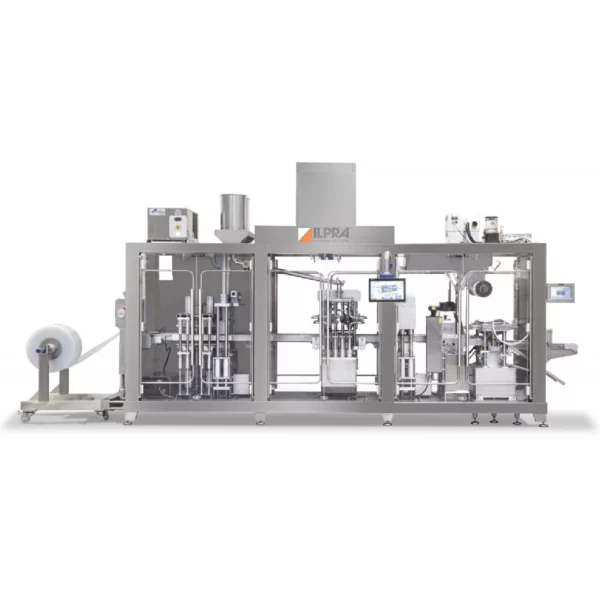
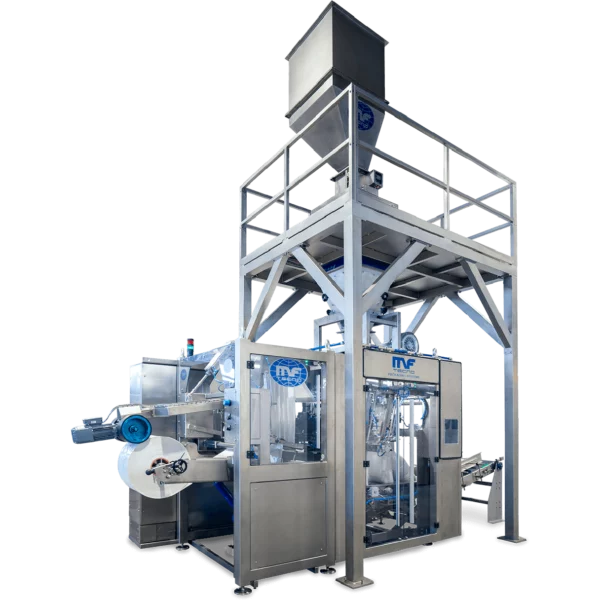
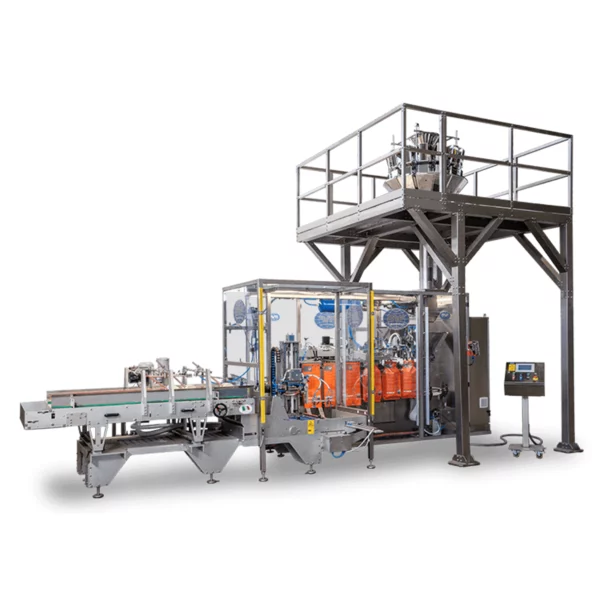
Equipment
Showing all 5 results
Frequently asked questions about cup filling (FFS, FS)
How does FFS technology differ from FS?
FFS (form-fill-seal) forms the cup from a reel of polymer sheet directly in the machine, then fills and seals it. FS (fill-seal) works with ready-made cups fed from a magazine. These are two different approaches to container logistics, not simply two different machines.
Which is more advantageous — forming the cup or buying a ready-made one?
Forming from a reel is cheaper in material and removes cup stocks from the warehouse, but it ties you to a single geometry and requires consistent sheet quality. A ready-made cup gives freedom in shape and decoration and a faster start, but it is more expensive in unit cost and requires storage space. The decision is calculated from the production volume and the number of SKUs.
Which products are filled into cups?
Yoghurts and desserts, sour cream, cottage cheese and curd masses, ice cream, sauces and dips, honey and jams, ready meals, as well as non-food products — creams and greases. For each group its own type of doser and its own sealing mode is selected.
Can an extended shelf life be achieved?
Yes, through a high-hygiene version: sterilisation of the sheet or of the cups, treatment in the filling zone, a supply of purified air and, if required, a gas atmosphere. This makes it possible to extend the shelf life without changing the recipe. The cleanliness level is selected to suit the product and the target shelf life.
How is the tightness of the seal ensured?
Through control of the temperature and pressure of the sealing plates, a correctly selected combination of cup material and foil, and control of the cleanliness of the flange before sealing — a drop of product on the flange means a leaking seam. Seal integrity and weight checking systems are integrated into the line and reject faulty packs automatically.