Today, packaging is not just cardboard. It is a brand, logistics and, most importantly, ecology. Secondary packaging delivers goods to the shelf, and the focus has shifted to speed, flexibility and benefits for the planet. Companies that have not understood this are lagging behind. It is an operational necessity.
The ecological shift: sustainability as a prerequisite
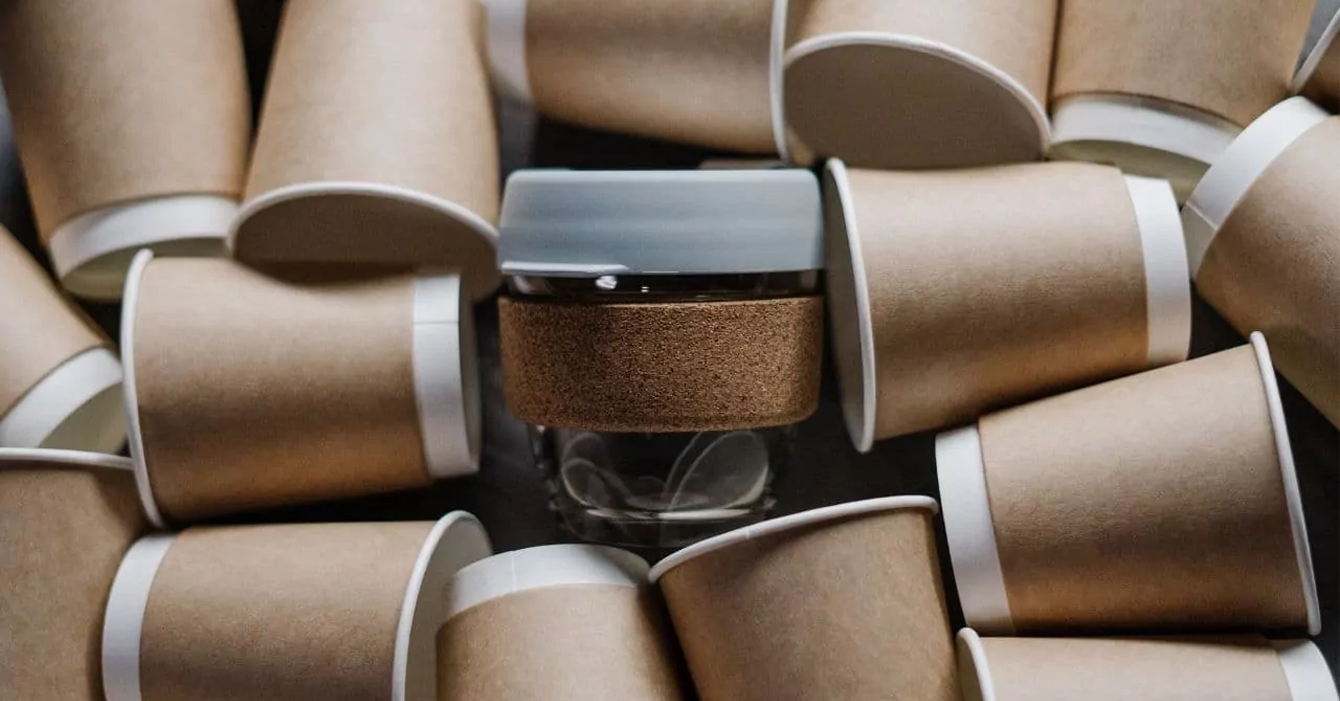
It is unrealistic to ignore rising raw material prices and tighter regulations. Although eco-materials are more expensive at first glance, the circular economy reduces long-term risks. New materials reduce the weight of packaging, which translates into direct fuel savings. This kills two birds with one stone: we don't pay environmental taxes and we cut logistics costs.
Key areas of innovation:
- Monomaterials: Transition to homogeneous films that can be effectively recycled.
- Paper-based solutions: Replacement of plastic trays with pressed fibre materials.
- Lightweight cardboard: Use of strong corrugated cardboard with fewer layers.
Attention to materials radically changes logistics: lower weight increases payload. Stability has become a powerful economic lever.
Flexibility and Speed: Format Shifting and Savings
Production requires rapid changes to the product range. You cannot wait for engineers to reconfigure the line. The speed of format change directly affects downtime, which translates into direct losses. Innovation here lies in modularity and digitalisation. New machines operate with quick-change cassettes that adapt automatically. The initial investment is higher, but the return on investment thanks to increased OEE is incredible.
Key technological advantages:
- Automated configuration: Touchscreens allow you to switch to a new format in a matter of minutes.
- Simplification of structures: Development of universal solutions with a minimum number of variable parts.
- Digital twins: Using software to model new formats prior to launch.
These breakthroughs create a direct link between line flexibility and competitiveness: promotional formats can be launched more quickly. If the line is idle less, it produces more, and this is the main lever for reducing operating costs.
Secondary packaging is a strategic lever. When we combine material sustainability with quick format changeovers, we get powerful synergy. It's a smart approach that lets companies respond flexibly and build an eco-friendly image. Whoever gets this connection will win.